
یہ بھی دیکھیں


 03.04.2026 01:34 PM
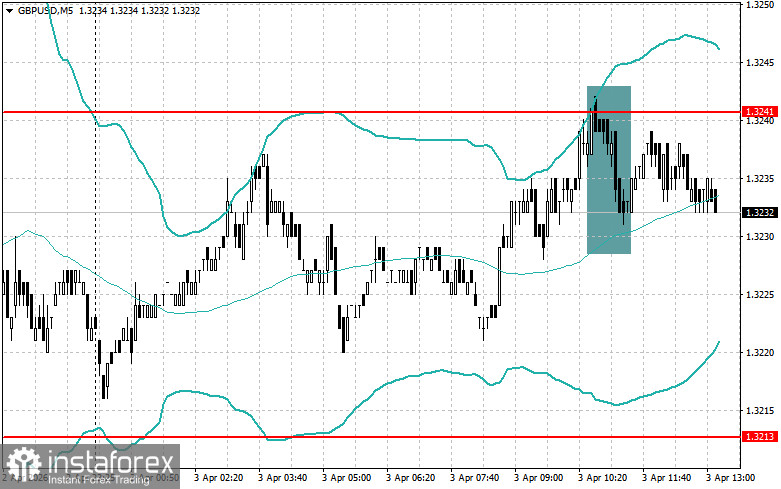
Only the British pound could be traded in the first half of the day using the Mean Reversion strategy, but a proper downward reversal never materialized. I did not trade anything using the Momentum strategy.
Ahead of the U.S. trading session, market participants are focused on the release of important macroeconomic indicators that could significantly impact the dollar's exchange rate. The key data will be the U.S. labor market figures for March. The report on changes in nonfarm employment is expected. This indicator is one of the most relevant for assessing the state of the U.S. economy, as it reflects activity across most sectors.
Given the sharp decline in employment in February, many expect a solid rebound in March. Stronger-than-forecast figures could signal increased economic activity and rising inflationary pressure, while weaker results may raise concerns about a slowdown in growth.
At the same time, data on the unemployment rate will be released, which is also a crucial barometer of labor market health. A decline in unemployment is traditionally seen as a positive signal, indicating high employment and stable demand for labor.
In addition, investors will focus on average hourly earnings. Growth in this indicator may point to rising disposable income, which in turn stimulates consumer activity.
In the case of strong data, I will rely on the Momentum strategy. If there is no market reaction to the data, I will continue using the Mean Reversion strategy.
Momentum Strategy (Breakout) for the Second Half of the Day
For EUR/USD:
For GBP/USD:
For USD/JPY:
Mean Reversion Strategy (Pullback) for the Second Half of the Day
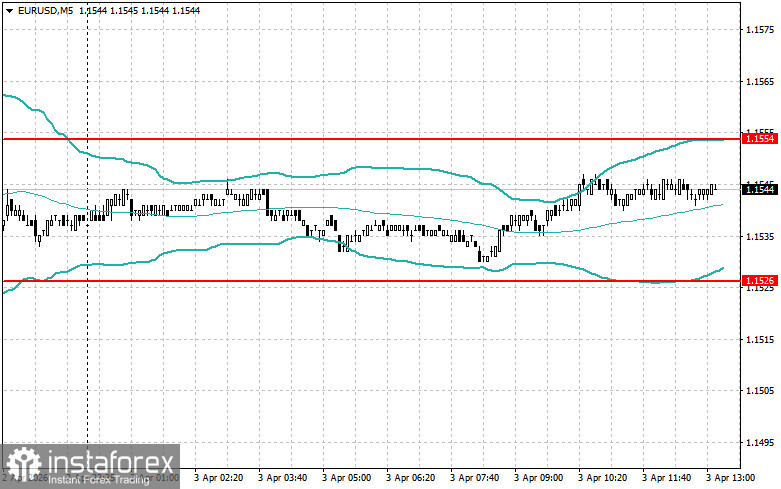
For EUR/USD:
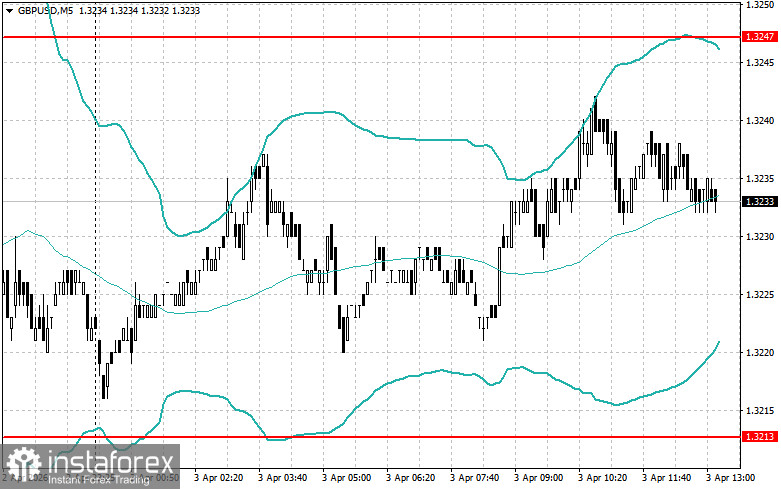
For GBP/USD:
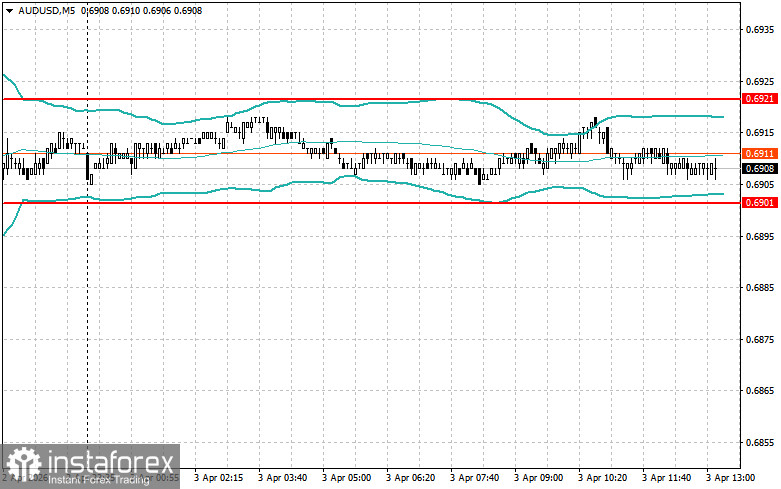
For AUD/USD:
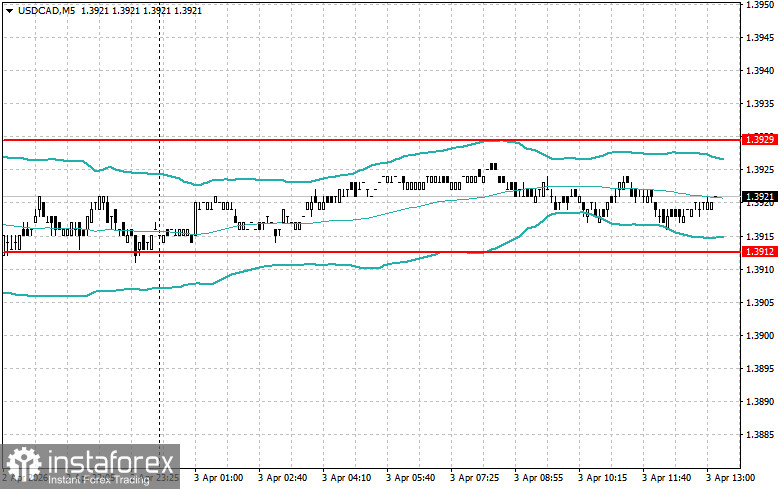
For USD/CAD:


