
یہ بھی دیکھیں


 07.10.2026 10:44 AM
On Wednesday, EUR/USD is once again losing the ground it gained against the US dollar on Tuesday. The European currency is under pressure from both rising oil prices and a stronger dollar against a basket of currencies ahead of the expected release of the Federal Reserve meeting minutes. Even the optimistic German industrial production data failed to support the euro.
According to data provided by the Federal Statistical Office of Germany, industrial production in the country increased by 2% in September, almost completely offsetting the 1.2% decline in August and significantly exceeding the forecast of 0.5% growth. On an annual basis, production increased by 2.3% after falling by 1.6% in the previous month.
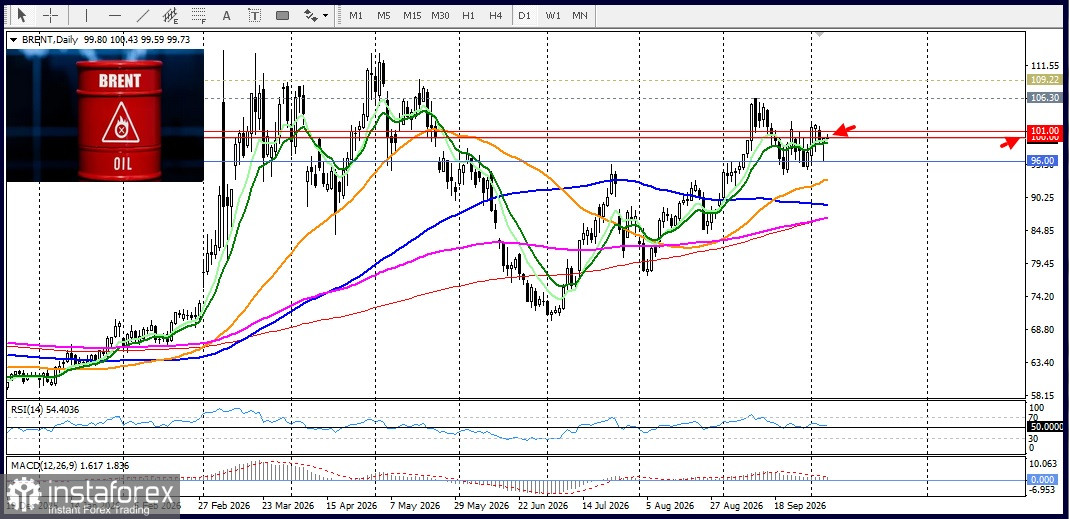
Nevertheless, markets ignored these positive figures as cautious sentiment and risk aversion prevail. A new escalation of tensions in the Middle East is once again pushing oil prices higher. The price of a barrel of Brent crude has returned above the psychologically important $100 level, putting significant pressure on economic growth in the euro area.
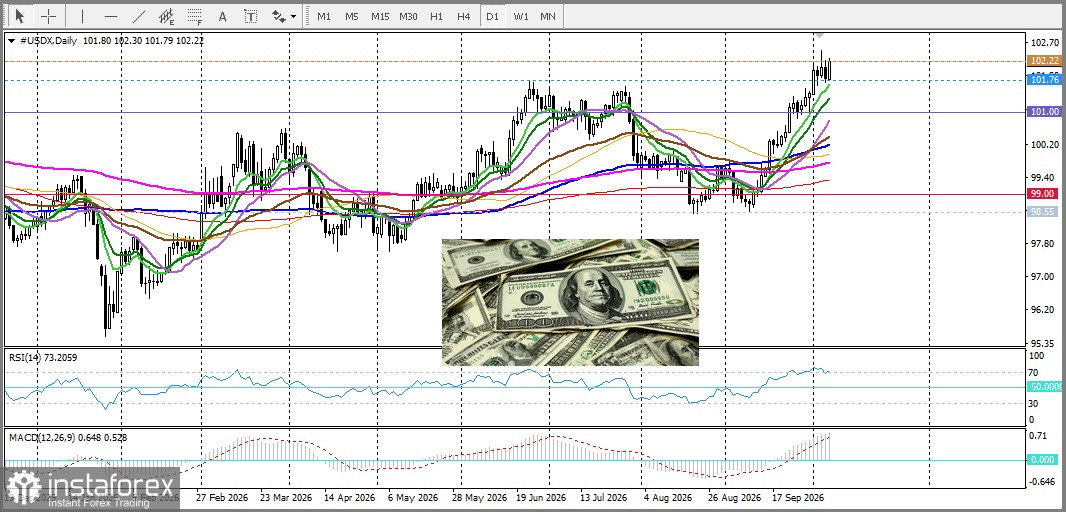
Meanwhile, Wednesday brought stability to the US dollar as it recovered against most other currencies, with investors preparing for the release of the minutes of the September Federal Open Market Committee (FOMC) meeting scheduled for today. Recall that over the past three years, the Fed raised its interest rate by 25 basis points for the first time, while hinting at the possibility of further monetary policy tightening.
From a technical perspective, the pair is attempting to hold above 1.1200. At the same time, the oscillators are negative, confirming the bears' advantage in the market. However, the Relative Strength Index (RSI) has moved into oversold territory, creating room for a correction. The 1.1260–1.1285 level remains resistance. The October low now serves as support.


