یہ بھی دیکھیں


 29.10.2026 08:56 AM

On Thursday, gold (XAU/USD) came under renewed selling pressure, with prices falling below $4,030 and ending a three-day advance that had culminated in the week's high the previous day.
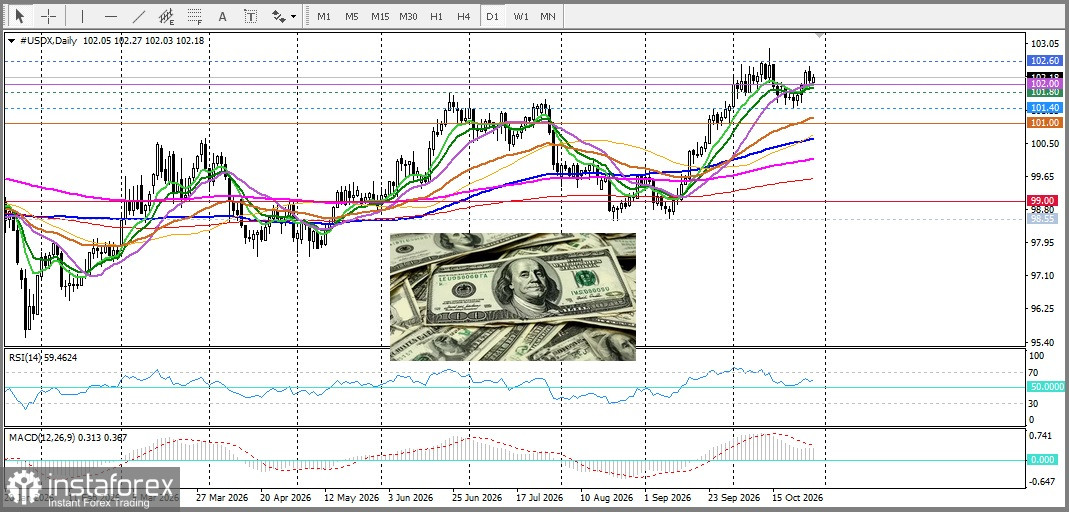
The risk of further escalation in the Middle East is providing additional support for the US dollar, which is traditionally regarded as a safe-haven asset. On Tuesday, The Wall Street Journal reported that US officials had urged several Arab states in the Persian Gulf to prepare for a short but intensive military operation against Iran, potentially following the November 3 midterm elections. Meanwhile, Iranian Foreign Minister Abbas Araghchi stated that the country's armed forces were prepared to defend Iran, adding that Tehran would maintain close contact with mediators to preserve opportunities for a diplomatic solution. Regional mediators led by Qatar are seeking to resume negotiations between the United States and Iran and prevent further escalation. In addition, reports indicate that US Vice President J.D. Vance sent a letter to Mohsen Rezaei, secretary of Iran's Supreme National Security Council, in an effort to bring the parties back to peaceful dialogue.
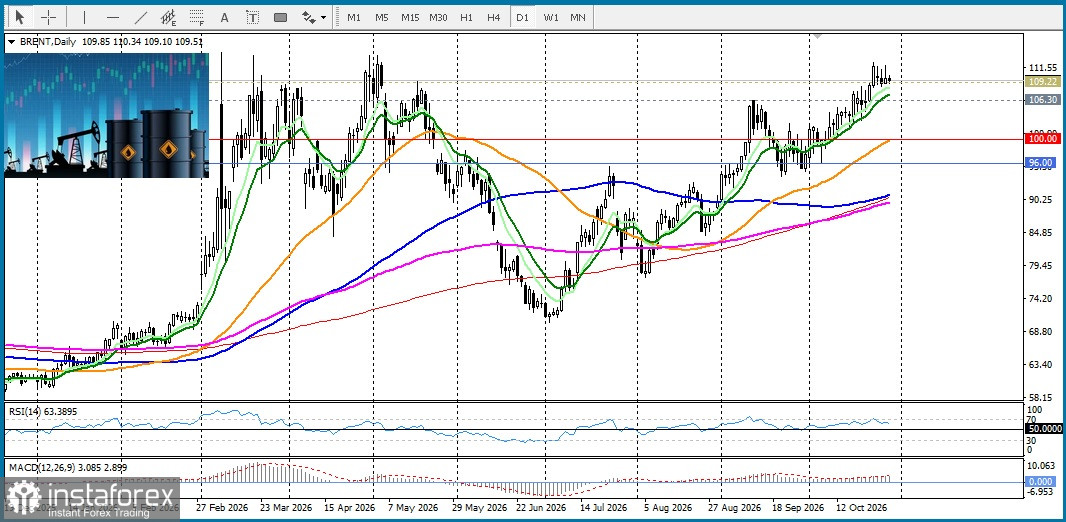
Geopolitical uncertainty remains high. In Yemen, intense clashes continue between the Iran-backed Houthi movement and government forces supported by Saudi Arabia. On Tuesday, the Houthis claimed to have attacked Saudi Arabia's Ras Tanura oil refinery, the country's largest facility of its kind, with a ballistic missile. Earlier this week, strikes on pumping stations along Saudi Arabia's East-West oil pipeline heightened concerns about potential supply disruptions and supported crude oil prices. This, in turn, favors US dollar bulls and suggests that gold's downward trend may persist. To identify more favorable trading opportunities, it is advisable to wait for the release of key US macroeconomic indicators: the advance estimate of third-quarter GDP and the Personal Consumption Expenditures (PCE) Price Index.