
یہ بھی دیکھیں


 07.10.2025 12:23 PM
Today the British pound, the euro, and the Australian dollar were successfully traded using the Momentum strategy. I did not trade anything using Mean Reversion.
Weak data on German factory orders put pressure on the euro in the first half of the day. Traders took this as a signal of a possible slowdown in economic growth in the eurozone's largest economy and, consequently, in the region as a whole. Concerns were reinforced by the escalation of the political crisis in France, which in recent days has weighed heavily on risk assets. Against this backdrop, the U.S. dollar showed steady growth.
As for the second half of the day, much will depend on trade balance data and consumer credit figures. Favorable results, especially regarding a reduction in the trade deficit, could support the dollar by signaling a recovery in economic activity. Conversely, weak data would revive negative sentiment. In addition, FOMC members Raphael Bostic and Michelle Bowman are scheduled to speak. A dovish tone from policymakers would pressure the dollar. If Federal Reserve officials hint at the possibility of further rate cuts this month, it could significantly weaken the dollar's position. Hawkish statements, emphasizing the need for patience in the fight against inflation, would, on the contrary, strengthen the U.S. currency.
In the case of strong statistics, I will rely on implementing the Momentum strategy. If there is no significant market reaction to the data, I will continue to use the Mean Reversion strategy.
Momentum Strategy (breakout trades) for the second half of the day:
For EUR/USD
For GBP/USD
For USD/JPY
Mean Reversion Strategy (reversal trades) for the second half of the day:
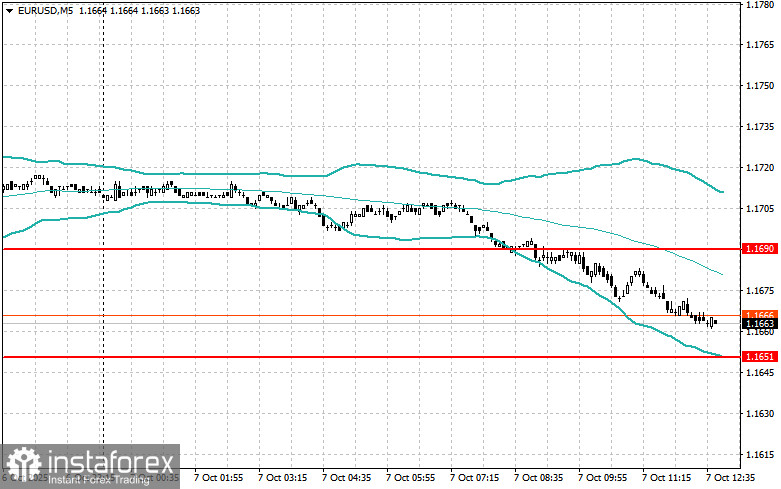
For EUR/USD
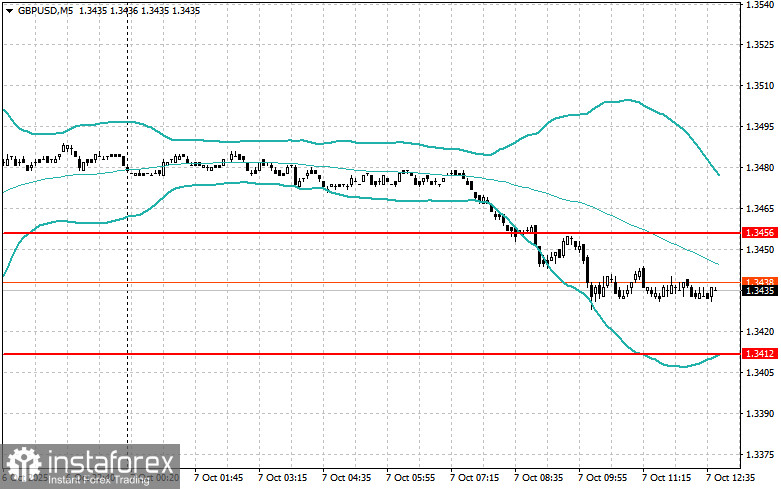
For GBP/USD
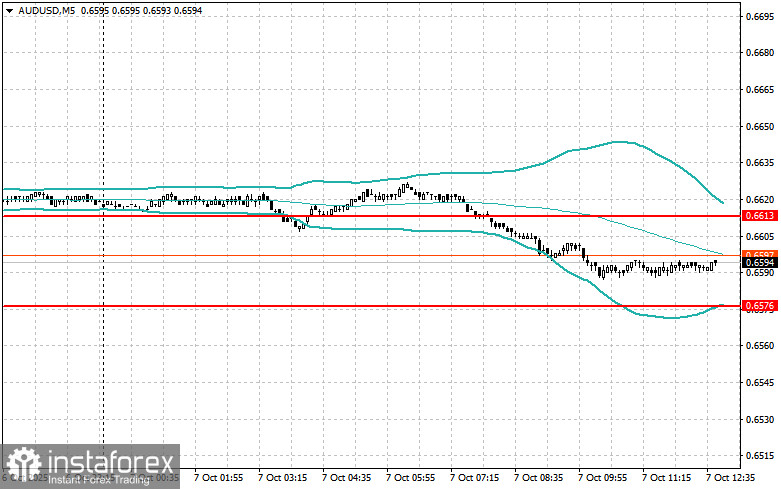
For AUD/USD
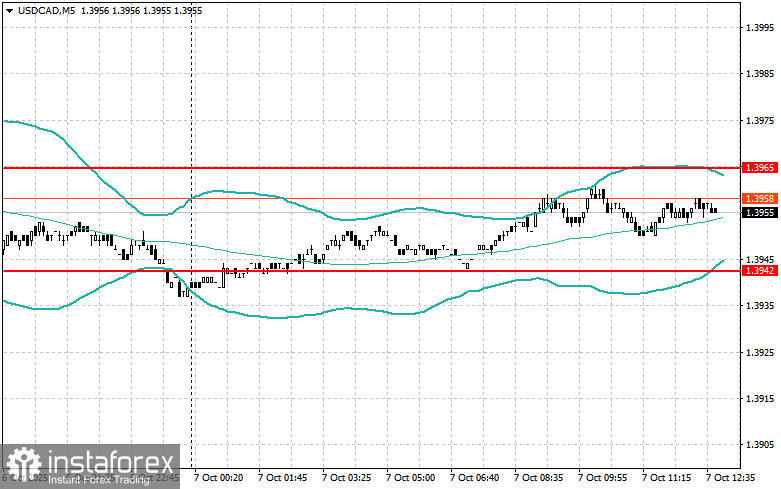
For USD/CAD


