یہ بھی دیکھیں


 11.12.2025 08:07 AM
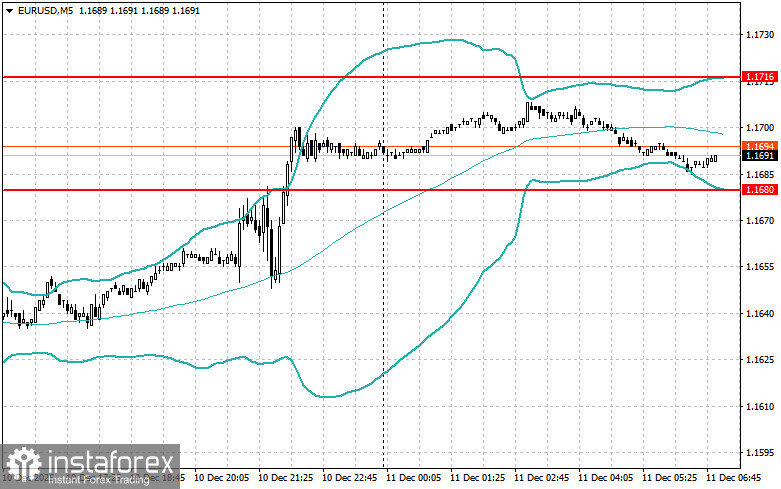
The dollar is facing challenges. Yesterday, the Federal Open Market Committee voted to lower the key interest rate by a quarter percentage point, leading to a weakening of the dollar and a strengthening of several risk assets, including the Japanese yen.
The Federal Reserve's decision was the result of prolonged debates about the state of the US economy. Proponents of the rate cut argued that the slowdown in labor market growth and global uncertainty necessitated the easing of monetary policy to stimulate economic activity. Conversely, opponents were concerned that a rate cut could lead to rising inflation and financial instability. However, it should be noted that there were only two such opponents. The market reaction to the Fed's actions was immediate. The US dollar sharply fell against major currencies, particularly against the euro, which strengthened to a several-month high.
Today, only the quarterly unemployment rate in Italy and a Eurogroup meeting are expected in the morning. The upcoming publication of unemployment data in Italy is unlikely to significantly impact market sentiment. Only a higher-than-expected unemployment rate could raise concerns about economic growth and potentially lead to a slight decline in the euro's value. Concurrently, the Eurogroup meeting promises to be a platform for discussing key issues regarding the economic situation in the eurozone, likely focusing on fiscal policy, coordination of efforts to stimulate economic growth, and inflation management. Discussions may also revolve around plans to further support countries facing economic difficulties.
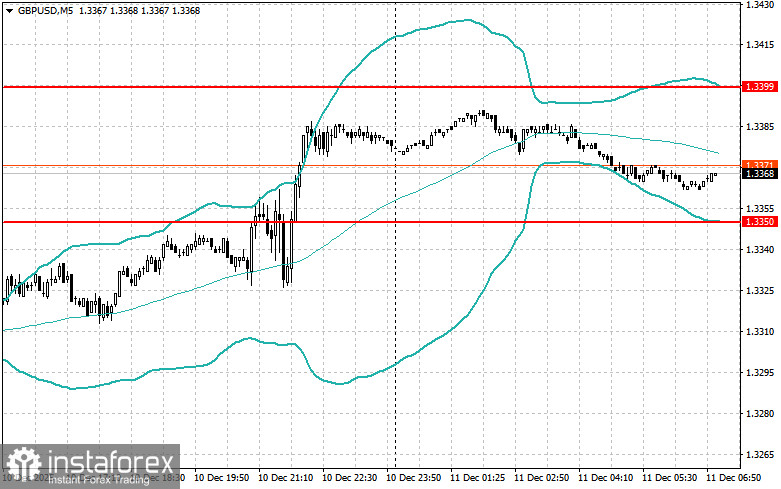
Regarding the UK and the pound, Bank of England Governor Andrew Bailey is set to speak in the morning. His comments are expected to shed light on the prospects of the BoE's monetary policy. Traders will be especially attentive to his assessment of the UK's current economic state, given recent inflation and labor market data. Special attention will be paid to signals regarding possible future actions by the BoE concerning interest rate cuts.
If the data aligns with economists' expectations, it is advisable to act based on the Mean Reversion strategy. If the data significantly deviates from economists' forecasts, the Momentum strategy would be more appropriate.