
यह भी देखें


 26.08.2026 02:20 PM
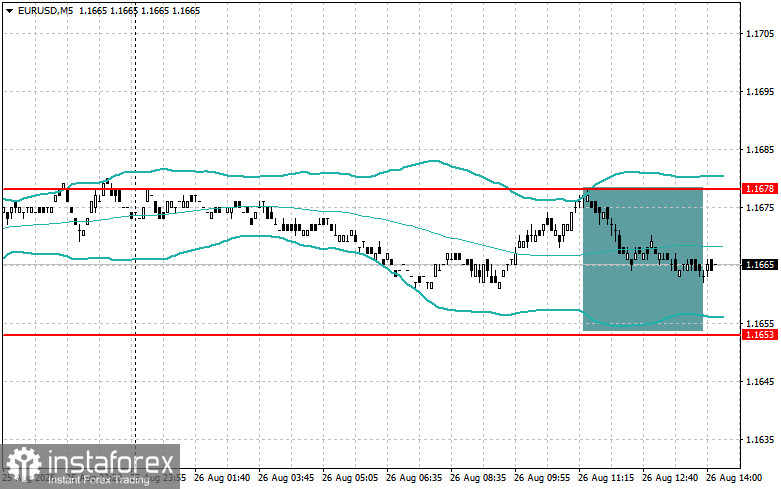
The euro could be traded fairly well today using the Mean Reversion strategy. I did not take any trades using Momentum.
The absence of eurozone economic data affected euro volatility. When there is no domestic data, the single currency loses its internal drivers and begins to move in line with external factors, while in a calm environment, the range of fluctuations naturally narrows. As a result, EUR/USD spent the first half of the day in a tight range, responding to overall risk appetite rather than euro-specific catalysts.
The pound, however, declined following news that retail sales, according to the Confederation of British Industry, had plunged to -48 points. The indicator is based on surveys of retailers and serves as an early signal of consumer demand, so such a sharp decline pointed to a significant weakening in demand. The trend is particularly concerning, as the index had been around -25 points only recently. Thus, the current plunge represents a sharp deterioration and has undermined confidence in the resilience of the British consumer.
For the British currency, this translated into downward pressure, as weakness in the retail sector weakens the case for a strong economy and gives the Bank of England additional reasons for caution.
The market is now awaiting a series of highly important US data releases that could determine the dollar's direction in the near term. The sequence will begin with the change in second-quarter GDP and conclude with the core Personal Consumption Expenditures (PCE) index for July and data on changes in personal spending and income. The final event of the day will be a speech by FOMC member Thomas Barkin. GDP reflects the pace of economic growth and serves as a basis for assessing the health of the economy, so the first release will already set the tone for trading.
However, the core PCE index is particularly important because the Fed considers it its preferred measure of inflation. The measure excludes volatile food and energy prices and more accurately reflects underlying price pressures, meaning that it directly affects interest-rate expectations. Personal income and spending data will complement the picture by showing how confident US consumers are, as they account for a significant share of economic activity.
For the euro and the pound, this set of data presents a direct risk. Strong economic growth combined with high inflation would strengthen the dollar and put pressure on EUR/USD and GBP/USD, while weak figures and easing price pressures would favor both European currencies. Barkin's comments will be an additional factor, as the market will scrutinize his remarks for clues about the regulator's stance.
If the data are strong, I will rely on the Momentum strategy. If the market does not react to the data, I will continue using the Mean Reversion strategy.
Momentum Strategy (breakout) for the Second Half of the Day:
For EURUSD
For GBPUSD
For USDJPY
Mean Reversion Strategy (return) for the Second Half of the Day:
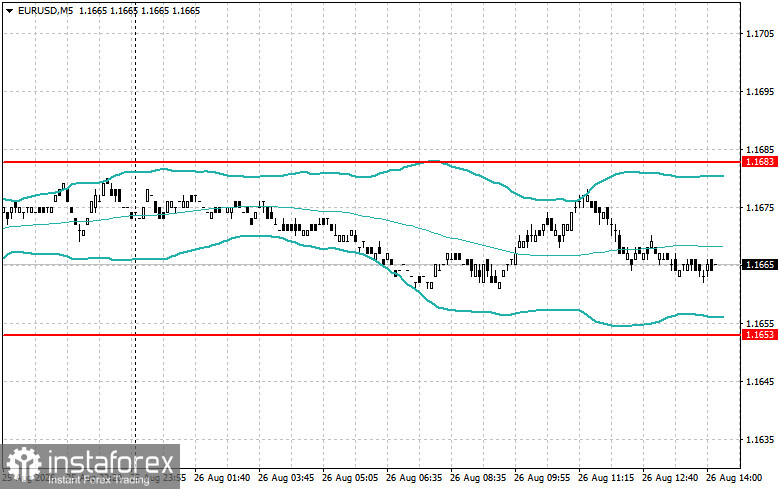
For EURUSD
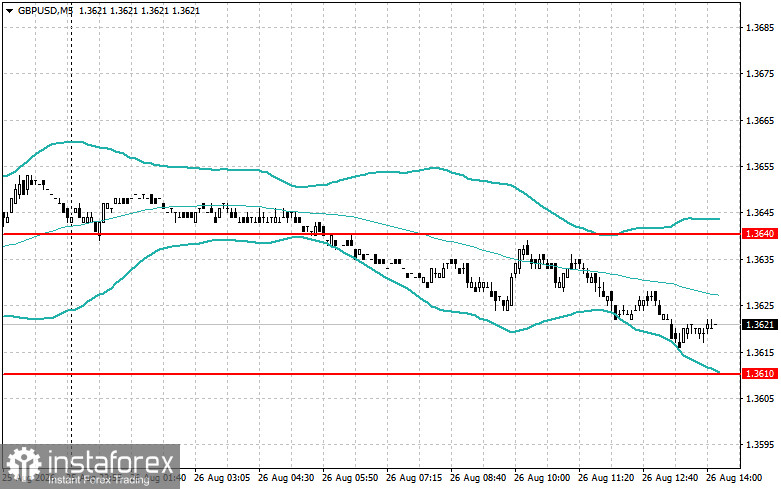
For GBPUSD
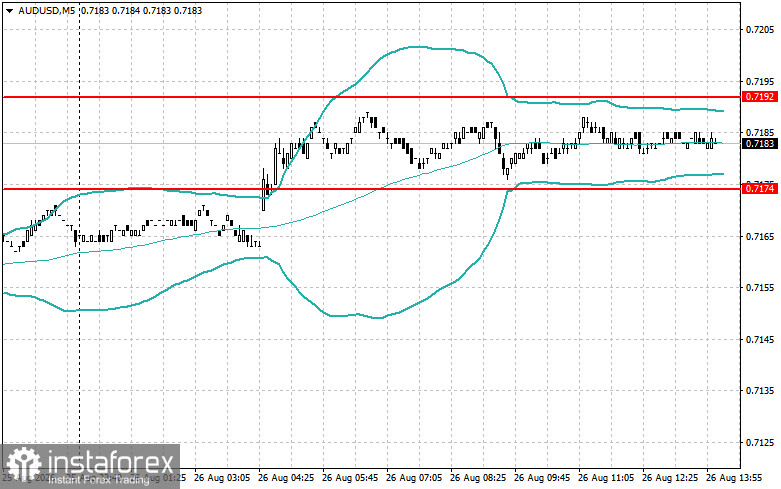
For AUDUSD
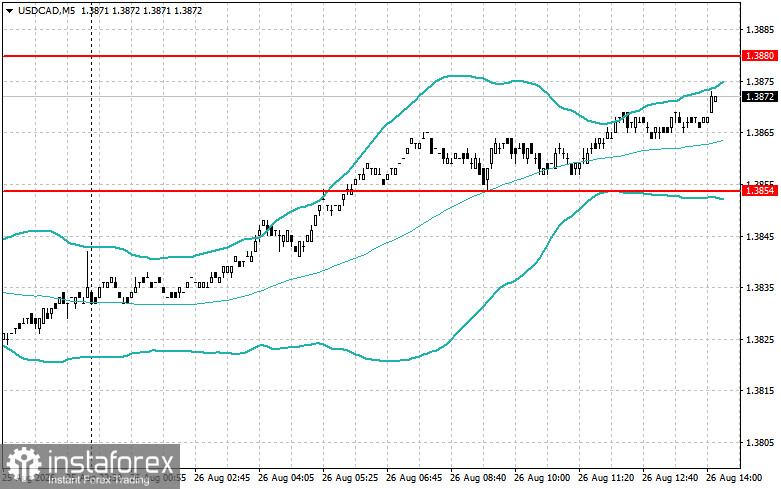
For USDCAD

