
यह भी देखें


 28.09.2026 02:43 PM
The pound rose fairly confidently today in reaction to comments by Bank of England Deputy Governor Sir David Ramsden, who said an interest-rate increase could be warranted. Sterling buyers took his words as confirmation that the central bank is prepared to tighten policy further if price pressures continue to build. Prior to his remarks, a clear hawkish signal from Ramsden was not expected, which is why the market reaction was notable, even though his comments remained within the framework already outlined in the minutes of the September meeting.
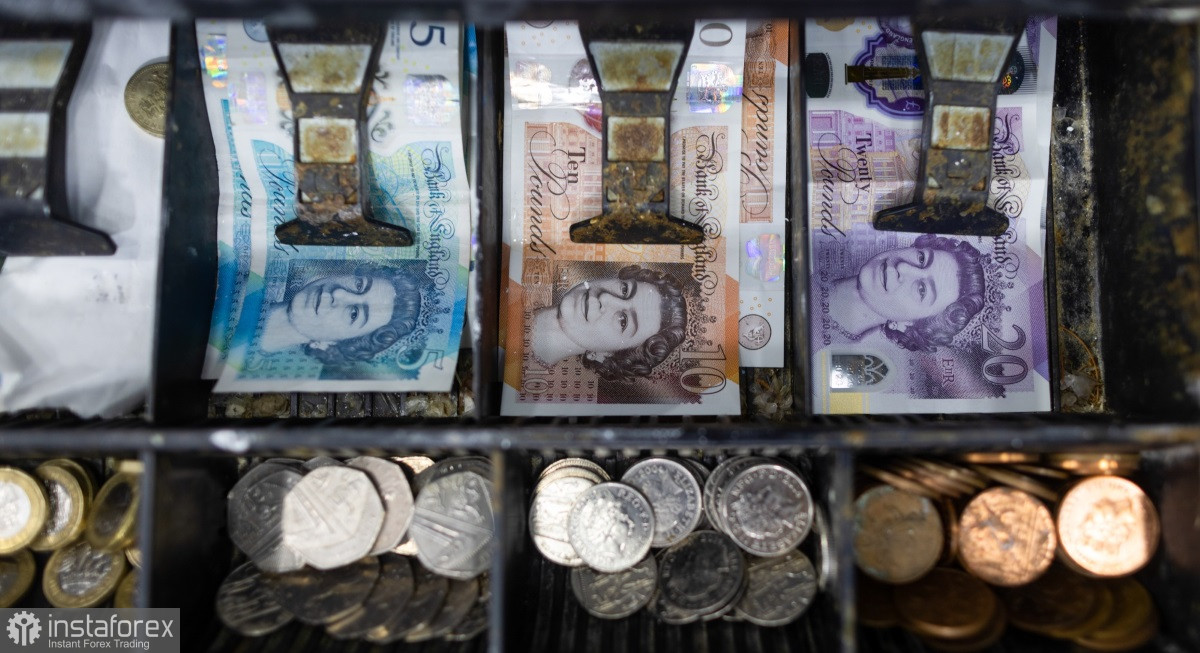
Speaking in London, Ramsden emphasized the threat that higher energy prices, driven by the Iran war, pose to inflation. He explained that he will watch for signs of second-round effects in domestic food prices and in upcoming employer wage-plan surveys. "If the upside risk to our inflation projection continues to build, there could be a case for raising rates," David Ramsden said. He added that upside risks to inflation, both external and domestic, have shifted higher and echoed the wage-price spiral concerns voiced last week by colleagues Sarah Breeden and Clare Lombardelli.
The most interesting part of his remarks concerned the past, not the future. Absent the Iran war, Ramsden said he would have expected at least two rate cuts by this point and a policy rate roughly 0.5% lower than current levels. He therefore described the decision to hold rates since March as a de facto tightening relative to that earlier expectation, while still characterizing policy as restrictive. It is striking that he framed rate retention as a tightening and yet allowed for direct rate increases as the next step. That rhetoric strengthens hawks on the committee and hurts borrowers and mortgage holders, who should prepare for the prospect of cheap money being postponed.
The backdrop to those remarks is tense. This month the Monetary Policy Committee voted 6–3 to hold the policy rate at 3.75%, and the Bank warned inflation will peak around 4%, notably above prior expectations and above the level that typically forces policy action. Investors are now pricing a quarter-point increase in November. The causal chain is straightforward: the war lifts energy prices, expensive energy pushes inflation up, and higher inflation raises the odds of tighter policy.
How durable is the pound's advance? So far it is moderate, because the market has not yet fully priced a November hike and the dollar remains strong. The dollar benefits from a hawkish Fed that raised rates this month for the first time since 2023 and from elevated Treasury yields. Notably, unlike the ECB and Fed, the Bank of England has not raised rates since the start of the war, partly because its policy was already restrictive. Consequently, the BoE looks somewhat behind the tightening cycle, and the pound receives less support from rates than the dollar does.
Now everything depends on the data that Ramsden highlighted—food prices and employer wage intentions. If those measures confirm that higher energy costs are translating into wages and domestic prices, a November hike will become almost inevitable, and the pound would gain further support. If signs remain weak, the case for a pause strengthens, and the odds of a hike will cool.
My view is that the pound can extend today's move only with supportive data; until that evidence arrives, the main driver for GBP/USD will remain the dollar. I expect the rally to be limited and partly retraced, because the Fed's firm tone and high US yields are stronger forces than Britain's hawkish hints. A materially larger advance would require either a softer US policy tone or unexpectedly strong UK data on prices and wages.
Technical picture for GBP/USD
Buyers need to clear immediate resistance at 1.3270 to target 1.3295, above which further progress will be difficult. The farther target is 1.3320. On a decline, bears will attempt to seize control of 1.3230. If they succeed, a break of the range would inflict significant damage on bulls and push GBP/USD toward 1.3200 with a prospect of extending to 1.3180.

