
यह भी देखें


 12.11.2026 06:54 PM
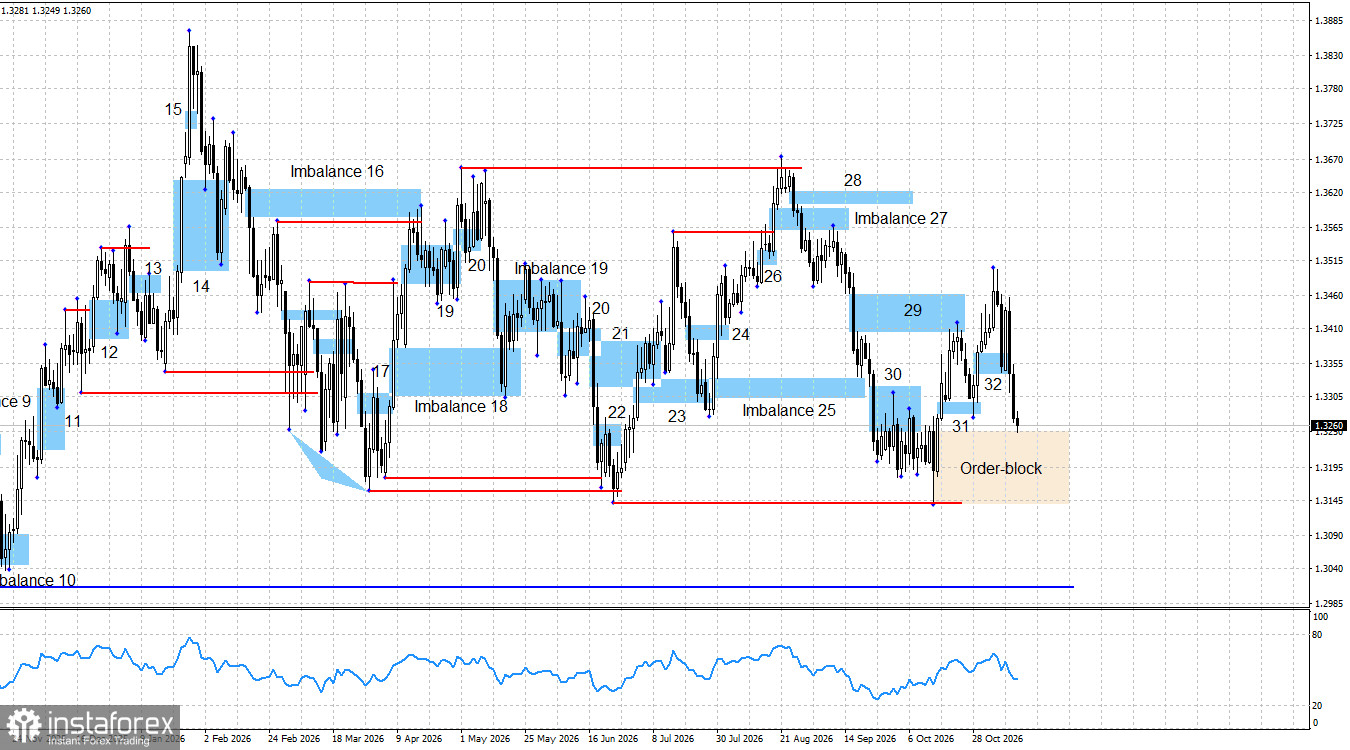
After a strong Monday that raised hopes for a sustained recovery in the pound, the GBP/USD pair plunged by 190 points. The latest decline over the past few days was once again driven by US economic data. October inflation rising by 0.4% month over month was enough to trigger a sharp appreciation of the dollar. In this case, the market appears to be experiencing another move driven primarily by traders' strong demand for the dollar. In other words, the dollar is not rising because of high inflation, a strong labor market, or low unemployment. It is rising because market participants are eager to buy it.
Yesterday, it became known that the Bank of England could raise interest rates a total of four times. This assessment was provided by representatives of the British economic research institute NIESR. Inflation in the UK is also rising, and, somewhat unexpectedly, could reach 5% next year. As a result, the Bank of England may need to raise interest rates at least three times and, more likely, four times. Would such clearly hawkish information have a positive effect on the pound? On Thursday, UK GDP reports were released, showing fairly strong results, but they attracted little attention from traders. The pound declined toward the order block, which may be its only source of support against a further decline.
Last week, the Bank of England implemented its first monetary policy tightening. Traders' reaction to this decision was rather mixed. Bullish momentum did not resume, even though the outcome of the Bank of England meeting could be considered as hawkish as possible. Bank of England policymakers not only raised interest rates, as expected, but also did so unanimously. However, traders placed greater importance on US inflation and labor market reports, which also increased the likelihood of further monetary policy tightening. Nevertheless, the market currently views potential Fed rate increases differently from further rate increases by the Bank of England.
An important factor supporting the pound's outlook is that traders expect the Bank of England to implement at least three additional monetary policy tightenings, while the Fed is expected to raise rates only once or, at most, twice. Naturally, the course of events in 2027 remains uncertain, but this is currently the weighted average market forecast. Therefore, the Bank of England could ultimately raise interest rates more aggressively than the Fed, which is unlikely to support the US currency. Geopolitical developments could support the dollar in the near term if Donald Trump decides to resume military operations against Iran. However, in recent days, Trump has spoken more frequently about reconciliation, negotiations, and concessions than about launching new strikes. Therefore, Iran and the United States may be moving toward a ceasefire after all.
Do bears have further downward potential? In my view, it is limited. Bears have pushed the dollar toward the upper end of the current trading range, but they have still failed to break out of it. There have been several compelling reasons to buy the dollar in 2026, but there have also been reasons for the pound to strengthen, which traders have frequently overlooked. As a result, the dollar and the pound, unlike the euro, have generally followed a relatively consistent pattern throughout the year, alternating between periods of appreciation and depreciation while remaining within a trading range.
The fundamental backdrop on Thursday was favorable for a bullish move. Annual, quarterly, and monthly GDP figures all showed strong results, while industrial production in September increased more than expected in both monthly and annual terms. However, no recovery in the pound has emerged so far. If the market has once again abandoned buying interest, the pound could continue to decline regardless of the incoming economic data. At present, the main hope lies in the order block.
The overall fundamental outlook remains such that, over the long term, a decline in the US dollar remains the most likely scenario. The conflict between Iran and the United States has not changed this assessment. Geopolitical developments reminded the market of the dollar's safe-haven status, but the conflict is currently on hold and could even come to an end. Therefore, until hostilities resume, a new bearish advance is not expected. Further escalation remains possible, as Donald Trump could still make an unexpected decision. If the next round of negotiations ends in the same way as the previous ones, Trump may decide to launch new strikes. Even the Democrats may be unable to prevent such a decision.
On November 13, the economic calendar contains just one scheduled release, which could easily trigger another bearish move. Economic data may influence market sentiment during the second half of Friday's trading session.
The long-term outlook for the pound remains bullish. In recent weeks, buyers have controlled the market, but only within the trading range, which is clearly visible on the daily chart and remains intact. The local outlook is also bullish. A buy signal formed within Imbalance 32, but the pound's advance was short-lived due to strong US economic data.
The pound's upward target remains near the upper boundary of the trading range at 1.3670. However, traders now need fresh bullish signals. The only potential source of such signals is the market's reaction to the order block. An order block is a strong and relatively rare pattern, so the probability of a rebound from it is considered high. However, the first test of the zone did not produce a significant rebound.

