
Lihat juga


 30.10.2026 12:07 PM

During Friday's European trading session, gold (XAU/USD) continued to decline, remaining below the key psychological level of $4,000 and reaching a new monthly low amid expectations of hawkish action by the US Federal Reserve. New US economic data released on Thursday confirmed the resilience and growth of the economy, while inflationary pressures persisted, strengthening market expectations of interest rate hikes as early as December. For gold, an asset that does not generate interest income, this has resulted in a second consecutive session of selling pressure and increased the risk of further price declines.
According to preliminary data, US gross domestic product (GDP) growth accelerated to 3.4% on an annualized basis in the third quarter, compared with 2.2% in the previous quarter. The figure exceeded analysts' consensus forecast of 3.2%. Meanwhile, according to the US Department of Commerce, the Personal Consumption Expenditures (PCE) Price Index increased by 0.5% month over month and 3.6% year over year in September. Core PCE, which excludes food and energy prices, rose by 0.3% over the month and 3.1% over the year. This trend reinforces the arguments in favor of further Fed policy tightening amid persistent inflation risks.
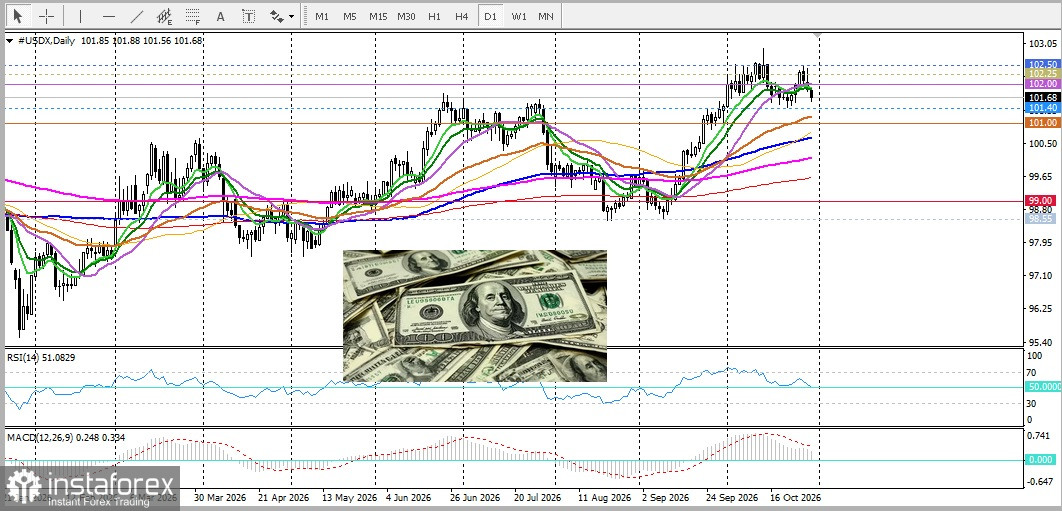
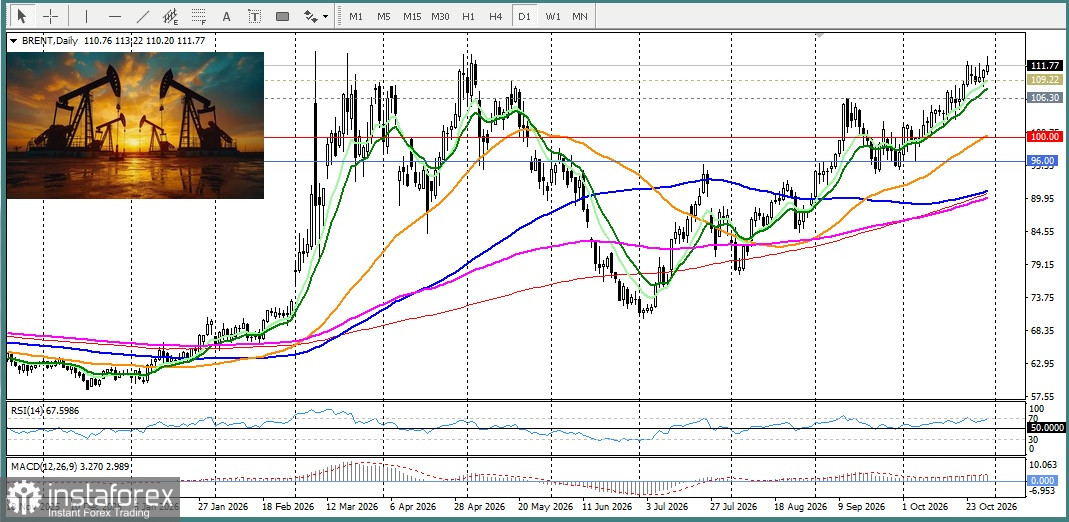
At the same time, US Treasury yields declined noticeably. Investors increased their purchases of government debt, buying Treasury bonds as a safe-haven asset. This was driven by weak corporate earnings reports from the technology sector, which raised doubts about whether growing investments in artificial intelligence would generate adequate returns. In addition, renewed expectations of a diplomatic settlement in the Middle East are weakening the US dollar, a traditional safe-haven currency. However, this factor has not yet been sufficient to significantly change the bearish outlook for gold.
From a technical perspective, XAU/USD maintains a bearish trend. Prices remain below all major moving averages, while oscillators are in negative territory, confirming the bears' advantage. In the event of a corrective recovery, the first significant resistance will be the horizontal level at 4,025–4,030. A break above this zone could trigger the closure of some short positions and accelerate gold's upward movement toward $4,065 and the psychological level of $4,100. Together, these levels form a significant supply zone. To ease selling pressure, the price will need to consolidate firmly above this range.


