

Introduction
In the ever-evolving world of finance and technology, the emergence of cryptocurrencies has marked a revolutionary leap. Among these, the concept of utility cryptocurrencies has garnered attention, leading enthusiasts to seek a utility cryptocurrency list that showcases tokens designed for specific functionalities beyond mere investment vehicles. At its core, cryptocurrency is a digital or virtual form of currency that uses cryptography for security, making it extremely difficult to counterfeit. Unlike traditional currencies, it operates on a decentralized platform, thanks to blockchain technology. Blockchain, a system of recording information in a way that makes it difficult or impossible to change, hack, or cheat the system, serves as the backbone for cryptocurrencies. It is a digital ledger of transactions that is duplicated and distributed across the entire network of computer systems on the blockchain. This innovation has not only revolutionized how we think about money but has also opened up new avenues for digital interactions and services.
Since the inception of Bitcoin in 2009, the first and most well-known cryptocurrency, the blockchain technology has undergone significant advancements. These developments have paved the way for various forms of cryptocurrencies, each designed with specific features, utilities, and solutions to improve upon the limitations of traditional financial systems. The landscape has grown from simple peer-to-peer transactions to complex DeFi (Decentralized Finance) ecosystems, offering services ranging from lending and borrowing to yield farming and beyond, all without the need for a central authority.
Within this transformative space, Matic Network (now rebranded as Polygon) emerges as a significant player. Aimed at addressing one of the most pressing issues in the blockchain space – scalability – Matic crypto offers a solution that enhances the performance of Ethereum-based transactions. This introduction aims to unravel the layers of Matic crypto, diving into its inception, evolution, and its pivotal role in the broader context of blockchain technology's growth. As we delve into the details, we uncover the essence of Matic crypto and its contribution to the ever-expanding universe of blockchain and cryptocurrencies.
Introduce Matic Network
Matic Network, which underwent a strategic rebranding to become known as Polygon, is a pivotal innovation in the realm of blockchain and cryptocurrency, answering the pressing question of "what is Matic crypto?" Initially designed to address the glaring challenges of scalability and usability faced by the Ethereum blockchain, Polygon has emerged as a front-runner in Layer 2 scaling solutions. By leveraging a decentralized platform that uses a modified version of the Plasma framework and a Proof of Stake (PoS) consensus mechanism, Polygon significantly enhances the efficiency of transaction processing, thereby reducing fees and speeding up confirmation times without sacrificing security. This transformation not only redefined its identity but also positioned Polygon as a key player in the blockchain space.
The significance of Polygon in the crypto world cannot be overstated. As the Ethereum network began to house a growing number of decentralized applications (dApps), the limitations of its scalability became increasingly apparent. Transaction fees soared, and network congestion became a common issue, hindering the user experience and the broader adoption of blockchain technology. Polygon's solution offers a seamless avenue for scalability, enabling developers to build and deploy dApps that can scale effectively while ensuring a superior user experience.
Beyond its technical prowess, Polygon has positioned itself as an "internet of blockchains" for Ethereum, facilitating a multi-chain ecosystem that supports a variety of blockchain networks. This interoperability and flexibility make it an attractive platform for developers looking to create sophisticated, scalable applications without being confined to the limitations of a single blockchain network.
Polygon's role extends further into fostering innovation within the DeFi space, NFT markets, and beyond, by providing the infrastructure necessary for these platforms to thrive. Its ability to provide high-speed and low-cost transactions without compromising on decentralization has made it a cornerstone in the ongoing evolution of the blockchain landscape.
In essence, Polygon stands as a beacon of innovation and scalability in the blockchain and crypto world. Its contribution is not just in providing a solution to Ethereum's scalability dilemma but in envisioning a future where the blockchain ecosystem is interconnected, efficient, and accessible to all.
Purpose of the article
The purpose of this article is to provide a comprehensive exploration of Matic crypto, now known as Polygon, shedding light on its foundational elements, innovative features, and the manifold benefits it brings to the blockchain ecosystem. As we delve into the origins and development of Polygon, we aim to demystify the technical intricacies and highlight the practical implications of this pivotal platform. Our exploration will cover the unique technology stack that underpins Polygon, including its Layer 2 scaling solutions and Proof of Stake (PoS) consensus mechanism, which collectively drive improved transaction efficiency, scalability, and security.
Furthermore, we will elucidate the key features of Polygon that distinguish it from other blockchain platforms, such as its compatibility with the Ethereum Virtual Machine (EVM), its capacity to support a wide array of decentralized applications (dApps), and its role in facilitating seamless interoperability between disparate blockchain networks. Through a detailed examination of these attributes, readers will gain insight into how Polygon effectively addresses some of the most pressing challenges in the blockchain space, including network congestion and high transaction fees.
In addition to outlining the technical advantages of Polygon, this article will also highlight the practical benefits for both developers and users within the blockchain community. From enabling faster and more cost-effective transactions to fostering a thriving ecosystem of dApps, Polygon's contributions to the blockchain landscape are vast and varied.
Ultimately, our discussion will underscore the pivotal role of Polygon in the broader context of blockchain technology's evolution. By providing a scalable, efficient, and user-friendly platform, Polygon not only enhances the functionality of existing blockchain networks but also paves the way for the next generation of blockchain innovation. Through this article, readers will come to appreciate the importance of Polygon in driving forward the adoption and development of blockchain technology, marking it as a cornerstone in the quest for a more decentralized, efficient, and inclusive digital future.
What is Matic Crypto?
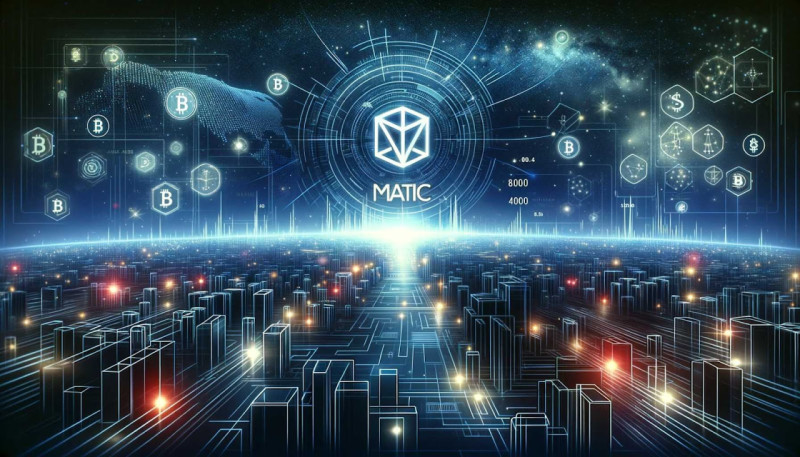
Matic crypto, now widely recognized as Polygon, stands as a beacon of innovation in the blockchain domain, answering the critical question, "what is Matic crypto?" This transformative blockchain scalability platform and framework is designed to facilitate the development of interconnected blockchain networks. It originated with the primary aim of solving the pressing scalability issues faced by the Ethereum blockchain, thereby enhancing its efficiency, speed, and transaction costs. Introduced to the world as a Layer 2 scaling solution, Matic Network utilized sidechains for off-chain computation while ensuring asset security using the Plasma framework and a decentralized network of Proof-of-Stake (PoS) validators.
The inception of Matic dates back to 2017, born out of the necessity to address the bottlenecks of Ethereum's scalability, such as high gas fees and slow transaction speeds, which significantly hampered user experience and developer capabilities. As a solution, Matic aimed to provide a smoother experience for users and developers alike, promoting broader adoption of blockchain technology through its scalable, secure, and instant blockchain transactions.
In February 2021, Matic Network underwent a strategic rebranding to become Polygon. This rebranding was more than a mere change of name; it signified the platform's evolution from a single Layer 2 scaling solution to a multi-faceted Ethereum scaling and infrastructure development framework. Polygon aspires to create a more versatile and powerful framework, supporting a range of blockchain networks while remaining deeply integrated with the Ethereum ecosystem. It aims to provide an "internet of blockchains" on Ethereum, facilitating a new era of interoperability, scalability, and accessibility within the blockchain space.
Polygon's rebranding reflects its broader vision to address various blockchain infrastructure needs, including those beyond Ethereum's scalability. It encompasses solutions such as ZK-Rollups, Optimistic Rollups, and more, providing developers with a comprehensive toolkit to build versatile, efficient, and scalable applications. By doing so, Polygon stands at the forefront of the blockchain innovation curve, fostering a more interconnected, efficient, and user-friendly blockchain ecosystem.
The main goal of Matic/Polygon
The main goal of Matic, now Polygon, is rooted in addressing one of the most pressing challenges within the blockchain ecosystem: scalability, particularly concerning the Ethereum network. Ethereum, known for its versatility and widespread adoption as a platform for decentralized applications (dApps), smart contracts, and DeFi (Decentralized Finance) projects, has faced significant hurdles due to its limited transaction capacity and high gas fees, especially during peak usage times. These challenges have created bottlenecks, affecting user experience and hindering broader adoption.
Enter Matic/Polygon, with its core mission to vastly improve scalability and performance on the Ethereum network without compromising on security. It aims to do this by operating as a Layer 2 scaling solution, which works by handling transactions off the main Ethereum chain (Layer 1) and then batching them together to be settled on Layer 1, thereby reducing the load and congestion on the Ethereum network. This approach significantly increases transaction throughput, meaning that more transactions can be processed at a faster rate, and reduces transaction fees, making it more feasible for both users and developers.
Polygon achieves this scalability by utilizing a network of sidechains, which are blockchain channels that run parallel to the main Ethereum blockchain. These sidechains rely on a modified version of the Plasma framework and use a Proof of Stake (PoS) consensus mechanism to secure the network and validate transactions. By offloading transactions from the main Ethereum chain to these sidechains, Polygon enables a high degree of scalability while ensuring that the security and integrity of the blockchain are maintained.
Furthermore, Polygon's architecture is designed to be flexible and interoperable, allowing for a variety of blockchains to connect and interact with Ethereum. This not only enhances scalability but also fosters a multi-chain ecosystem where developers have the freedom to build and deploy dApps with optimized performance and lower costs.
In essence, the main goal of Matic/Polygon is to serve as a scalable framework that supports a more accessible, efficient, and user-friendly blockchain ecosystem, particularly for Ethereum-based projects. Its contribution is pivotal in paving the way for the next wave of blockchain adoption, enabling a future where decentralized applications can flourish without the limitations of network congestion and prohibitive costs.
How Matic works
Matic Network, now known as Polygon, operates as a Layer 2 scaling solution that aims to address the scalability issues of the Ethereum blockchain, enabling faster and more cost-efficient transactions. This brings us to the question, "what is Matic crypto?" To understand how Matic works, it's essential to dive into its technology stack and the principles behind its Layer 2 scaling solutions.
Technology Stack
Matic/Polygon's technology stack is designed to provide a scalable and user-friendly environment for the Ethereum ecosystem. At its core, the stack is composed of
Ethereum Layer - As a Layer 2 solution, Polygon enhances the Ethereum blockchain by interacting with it directly. This layer is where finality and security mechanisms are anchored to the Ethereum main chain.
Security Layer - This layer provides "validators as a service" to offer an additional layer of security to chains operating on Polygon. It functions optionally and can be used by developers for added protection.
Polygon Networks Layer - This is where the Polygon SDK resides, offering a modular, flexible framework that allows developers to build various types of applications, including standalone chains or secured chains with different consensus mechanisms tailored to their specific needs.
Execution Layer - Built on Ethereum's technology, this layer manages smart contract execution and ensures EVM compatibility. This compatibility allows developers to deploy Ethereum dApps on Polygon without significant changes.
Layer 2 Scaling Solutions
Polygon employs several strategies as part of its Layer 2 scaling solutions to enhance the performance of the Ethereum network
Plasma Chains - Inspired by Plasma, Polygon utilizes sidechains for off-chain computation while ensuring assets are secure on the main chain. These sidechains handle transactions and smart contracts independently from Ethereum, reducing the load on the main network.
Proof of Stake (PoS) Sidechains - Polygon's PoS mechanism is central to its operation. Validators stake MATIC tokens as collateral to participate in the network's consensus mechanism, helping to secure the network and validate transactions. This PoS model is fundamental in achieving high transaction speeds and low fees.
State Channels - While not the primary focus of Polygon, state channels are another Layer 2 technology that enables off-chain transaction channels between parties, further reducing the burden on the Ethereum mainnet.
ZK-Rollups and Optimistic Rollups - Though initially not part of Matic's core offering, the broader vision of Polygon includes supporting these technologies, which bundle (or "roll up") multiple transactions into a single transaction. This process significantly increases throughput by processing transactions off-chain and then settling them on-chain.
By leveraging these technologies, Polygon enhances the scalability, security, and usability of Ethereum-based dApps. Its architecture allows for a seamless interaction between the Ethereum blockchain and the various Layer 2 solutions, providing a robust platform for developers to build scalable applications while benefiting from the security and decentralization of Ethereum.

The Technology Behind Matic Crypto
The technology underpinning Matic, now rebranded as Polygon, represents a sophisticated fusion of blockchain innovations aimed at enhancing scalability and efficiency for Ethereum-based applications. This deeper dive into Matic's technology will explore its Plasma-based side chains, Proof of Stake (PoS) mechanism, and Ethereum Virtual Machine (EVM) compatibility, elucidating how these components work together to optimize the blockchain ecosystem. Through this exploration, we address the fundamental inquiry of "what is Matic crypto?" by demonstrating how its innovative solutions provide the backbone for faster, more cost-effective, and scalable applications within the Ethereum landscape. The seamless integration and interaction of these technologies not only bolster Ethereum's capabilities but also significantly contribute to the broader blockchain ecosystem, underscoring the pivotal role and transformative potential of what Matic crypto, or Polygon, brings to the table.
Plasma-Based Side Chains
At the heart of Matic's technology are its Plasma-based side chains, a concept originally proposed for the Ethereum network to enable off-chain transaction processing. Plasma is a framework for building decentralized applications (dApps) that can operate more efficiently by processing transactions on side chains before batching and committing them to the main Ethereum blockchain. Matic's implementation of Plasma involves creating multiple side chains that run in parallel to Ethereum, significantly increasing the network's capacity for handling transactions. These side chains are designed to be lightweight and fast, ensuring quick transaction processing with minimal fees. By offloading transactions from the congested Ethereum network to these side chains, Matic allows for scalable dApp functionality without sacrificing the security and integrity of the main blockchain.
Proof of Stake (PoS) Mechanism
Another cornerstone of Matic's architecture is its Proof of Stake (PoS) consensus mechanism. Unlike the energy-intensive Proof of Work (PoW) used by networks like Bitcoin, PoS offers a more energy-efficient alternative by allowing network participants to "stake" their cryptocurrency as collateral to validate transactions and create new blocks. In Matic's PoS system, validators are chosen to confirm transactions based on the amount of MATIC tokens they have staked. This method not only secures the network and validates transactions but also incentivizes participants by rewarding them with transaction fees for their validation services. The PoS mechanism plays a crucial role in ensuring the security and efficiency of Matic's side chains, facilitating a scalable and environmentally friendly blockchain ecosystem.
Ethereum Virtual Machine (EVM) Compatibility
EVM compatibility is a critical feature of Matic's technology, ensuring that developers can easily port their existing Ethereum dApps to Matic without extensive modifications. The EVM is the runtime environment for smart contracts in Ethereum, providing a sandboxed virtual stack where all Ethereum accounts and smart contracts live. Matic's compatibility with the EVM means that it supports all programming languages and tools that are designed for Ethereum, allowing for seamless migration and deployment of dApps on its network. This compatibility is essential for developers looking to leverage Matic's scalability solutions while maintaining the robustness and security of Ethereum's smart contract environment.
In summary, the technology behind Matic/Polygon is a blend of Plasma-based side chains for off-chain transaction processing, a PoS consensus mechanism for network security and efficiency, and EVM compatibility to ensure a smooth transition for developers from Ethereum. Together, these technologies form a powerful platform that addresses the scalability challenges of Ethereum, enabling a new era of high-performance, scalable, and user-friendly dApps.
Аdvantages of these technologies
The technologies behind Matic (now Polygon) significantly contribute to faster and cheaper transactions by optimizing how data is processed and validated within the blockchain ecosystem. Let's explore how each technological aspect - Plasma-based side chains, the Proof of Stake (PoS) mechanism, and Ethereum Virtual Machine (EVM) compatibility - plays a role in achieving these improvements.
Plasma-Based Side Chains
Faster Transactions - By utilizing Plasma-based side chains, Matic enables off-chain transaction processing. This means that transactions can be executed without having to be processed directly on the main Ethereum blockchain. These side chains can handle transactions at a much higher speed due to their specialized design, which is optimized for quick processing. The result is a significant reduction in transaction confirmation times, allowing users to experience almost instantaneous transactions.
Cheaper Transactions - Since these side chains operate parallel to the main Ethereum chain, they alleviate the congestion on Ethereum, which is a primary factor driving up gas fees (transaction costs). By handling transactions off-chain and then batching them together for finalization on the main chain, Matic reduces the demand on Ethereum's network resources. This efficiency translates to much lower transaction fees, as the cost of processing transactions on these side chains is a fraction of what it would be directly on Ethereum.
Proof of Stake (PoS) Mechanism
Efficient Network Security - The PoS consensus mechanism is more energy-efficient than Proof of Work (PoW), requiring less computational power to secure the network and validate transactions. This efficiency is because validators are selected based on the amount of cryptocurrency they are willing to "stake" as collateral, rather than competing in energy-intensive computational puzzles.
Reduced Costs for Users - PoS enables Matic to operate its network more cost-effectively. The energy and computational savings translate to lower operational costs, part of which can be passed on to users in the form of reduced transaction fees. Moreover, the staking model incentivizes validators to act honestly and efficiently, ensuring the network remains secure and transactions are processed quickly.
Ethereum Virtual Machine (EVM) Compatibility
Seamless DApp Integration - EVM compatibility means that developers can easily migrate existing Ethereum dApps to Matic without needing to rewrite their smart contracts. This seamless integration is crucial for adopting Matic's scaling solutions, as it allows the existing Ethereum ecosystem - with its myriad of dApps and services - to benefit from faster and cheaper transactions without significant redevelopment efforts.
Encourages Wider Adoption - The ease of porting dApps to Matic, combined with the promise of enhanced performance, encourages wider adoption among developers and users. As more dApps utilize Matic's scaling solutions, the network effect can lead to further optimizations and cost reductions, benefiting the entire ecosystem.
In summary, the combination of Plasma-based side chains, the PoS consensus mechanism, and EVM compatibility not only addresses the scalability and performance issues of Ethereum but does so in a way that significantly reduces transaction times and costs. This technological foundation enables Matic/Polygon to offer a highly attractive platform for both developers and users, facilitating the growth and adoption of decentralized applications on a large scale.
Key Features of Matic Crypto
The key features of Matic, now rebranded as Polygon, revolve around its innovative approach to scalability, security, user experience, and ecosystem development, intricately answering the pivotal question, "what is Matic crypto?" Each feature is meticulously designed to address the challenges faced by the Ethereum network and to support the growth of a vibrant decentralized ecosystem.
Scalability
Scalability is at the forefront of Matic's offerings. By utilizing Plasma-based side chains and a Proof of Stake (PoS) consensus mechanism, Matic ensures transactions are processed quickly and efficiently. This approach significantly increases transaction throughput compared to the main Ethereum network. Developers and users benefit from the ability to conduct more transactions per second, reducing bottlenecks and improving the overall functionality of decentralized applications (dApps).
Security
Security is a critical aspect of Matic's design. The network employs a decentralized network of validators that stake MATIC tokens, ensuring a robust and secure consensus mechanism. This PoS model not only provides security for transactions on the side chains but also ties the validators' incentives to the network's overall health and security. Additionally, the Plasma framework adds an extra layer of security by enabling the safe and secure transfer of assets between the main Ethereum blockchain and Matic's side chains.
User Experience
Matic places a strong emphasis on user experience by providing fast, low-cost transactions. The seamless integration with Ethereum, facilitated by EVM compatibility, means that users can easily migrate and interact with dApps on Matic without learning new protocols or facing complex transaction processes. This simplicity and efficiency are crucial for encouraging broader adoption of blockchain technology and decentralized applications.
Ecosystem Development
Ecosystem development is another cornerstone of Matic's strategy. The platform is not just a scaling solution; it also provides tools and resources for developers to build and deploy their dApps easily. With its modular framework and support for multiple programming languages and developer tools, Matic aims to foster a rich ecosystem of dApps. This support extends to various sectors within the blockchain space, including DeFi, NFTs, gaming, and more, contributing to the overall growth and diversity of the blockchain landscape.
Interoperability
Interoperability is a key feature that allows Matic to connect and communicate with other blockchain networks. This feature is crucial for creating a multi-chain ecosystem where assets and data can seamlessly move across different blockchains. Matic's interoperability ensures that developers can build applications that are not only scalable and efficient but also capable of interacting with a broader range of services and protocols in the blockchain space.
Together, these features make Matic (Polygon) a versatile and powerful platform for developers looking to build scalable, secure, and user-friendly dApps, contributing significantly to the evolution and adoption of blockchain technology.
Matic cryptocurrency in the table
Here's a structured representation of the "Matic Crypto at a Glance" table, summarizing the key features of Matic (Polygon), their descriptions, and the benefits they offer:
| Feature | Description | Benefit |
| Scalability | Utilizes Plasma-based side chains and a Proof of Stake (PoS) consensus mechanism to process transactions efficiently. | Enables higher transaction throughput, reducing bottlenecks and improving dApp functionality. |
| Security | Employs a decentralized network of validators staking MATIC tokens, ensuring robust and secure consensus. | Provides a secure platform for transactions and dApp interactions. |
| User Experience | Offers fast, low-cost transactions with seamless integration with Ethereum, facilitated by EVM compatibility. | Enhances usability for users, encouraging broader adoption of dApps. |
| Ecosystem Support | Provides tools and resources for developers, fostering a rich ecosystem of dApps across various sectors. | Promotes the growth and diversity of the blockchain landscape. |
| Developer Experience | Offers a modular framework and support for multiple programming languages and developer tools, simplifying dApp development. | Facilitates easy and efficient development of scalable, secure, and user-friendly dApps. |
This table encapsulates the essence of Matic's offerings, illustrating how its technological innovations and support infrastructure provide a foundation for scalable, secure, and accessible blockchain applications.
The Role of Matic in the Blockchain Ecosystem
Matic, now rebranded as Polygon, plays a crucial role in the broader blockchain ecosystem, addressing core issues and fostering innovation, which naturally leads us to explore "what is Matic crypto?" Its contributions can be seen across various dimensions, effectively showcasing the depth and versatility of its solutions.
Scalability Solution for Ethereum
Ethereum's scalability challenges have been a significant bottleneck, affecting transaction speeds and costs. Matic/Polygon emerges as a key player in this space by offering Layer 2 scaling solutions. By processing transactions on side chains before committing them to the Ethereum mainnet, Matic enhances the network's capacity without sacrificing security. This approach enables Ethereum to maintain its position as a leading platform for decentralized applications (dApps) while offering a more efficient experience for users and developers.
Infrastructure for the Multi-Chain Universe
Matic's vision extends beyond Ethereum, aiming to establish a multi-chain ecosystem. With its interoperability protocol, Matic enables various blockchains to connect and interact seamlessly. This capability is crucial for the development of a decentralized internet, where information and value can flow freely across different blockchain networks. By acting as a bridge, Matic not only enhances the utility of existing blockchains but also encourages the integration of diverse technologies and communities within the broader ecosystem.
Accelerator for dApp Development and Adoption
Matic provides a fertile ground for developers to build and scale their applications. With features like low transaction fees, high throughput, and developer-friendly tools, it lowers the barriers to entry for blockchain application development. This environment nurtures innovation and accelerates the adoption of dApps across various sectors, including finance, gaming, and non-fungible tokens (NFTs). Matic's ecosystem support extends to grants and partnerships, further stimulating growth and innovation in the space.
Enhancer of User Experience
One of the key hurdles in blockchain and cryptocurrency adoption is the complexity and inefficiency of current technologies. Matic addresses these issues head-on, offering solutions that significantly improve the user experience. Faster transactions, reduced costs, and seamless interactions with dApps contribute to a more accessible and user-friendly blockchain ecosystem. This enhanced experience is vital for attracting mainstream users to the decentralized world.
Contributor to Decentralized Finance (DeFi)
The DeFi sector has seen exponential growth, but it faces challenges similar to those of the broader Ethereum ecosystem, namely scalability and high transaction costs. Matic's infrastructure provides the necessary scalability and efficiency for DeFi platforms to flourish. By facilitating faster and cheaper transactions, Matic enables more complex and interactive DeFi applications, broadening the possibilities for financial innovation and inclusion.
In summary, Matic/Polygon's role in the blockchain ecosystem is multifaceted. It not only serves as a critical scalability layer for Ethereum but also as an enabler for a more interconnected, efficient, and user-friendly decentralized world. Through its technology, vision, and community support, Matic is paving the way for the next generation of blockchain applications, making the technology more accessible and practical for a global audience.
Matic innovations
Matic, now rebranded as Polygon, plays a pivotal role in the broader blockchain ecosystem, prompting the question, "what is Matic crypto?" It acts as a scalable framework that supports the development and operation of decentralized applications (dApps) on a massive scale. Beyond merely enhancing the Ethereum network's performance, Matic's contributions extend to serving as a bridge that connects various blockchain platforms, fostering interoperability and collaboration across the industry.
Integration with the Ethereum Ecosystem
At its core, Matic/Polygon was designed to address the scalability issues of Ethereum, the leading platform for dApp development. By providing Layer 2 scaling solutions, Matic enables Ethereum to process transactions faster and more cost-efficiently, thus relieving the network congestion that has plagued Ethereum as it grows in popularity. This makes Matic an integral part of the Ethereum ecosystem, ensuring that the blockchain remains a viable platform for developers and users alike.
Partnerships and Integrations
Polygon has formed strategic partnerships and integrations across the blockchain space, further solidifying its role within the ecosystem. These collaborations span various sectors, including DeFi (Decentralized Finance), NFTs (Non-Fungible Tokens), gaming, and more. By partnering with major DeFi protocols, NFT marketplaces, and blockchain-based games, Polygon enhances these platforms' scalability and performance, attracting more users and developers to the ecosystem.
Notably, Polygon's collaborations are not limited to Ethereum-based projects. It has also integrated with other blockchain networks, promoting interoperability and the seamless transfer of assets between ecosystems. These efforts are crucial for the development of a more interconnected and efficient global blockchain ecosystem.
Growing Ecosystem of dApps
The Matic/Polygon network hosts a rapidly growing ecosystem of dApps, benefiting from its scalable, secure, and developer-friendly platform. Developers are increasingly choosing Matic for its low transaction fees, high throughput, and EVM compatibility, which allows for easy migration of Ethereum dApps to the network. As a result, a diverse range of applications, from DeFi lending platforms and decentralized exchanges to NFT galleries and interactive games, are flourishing on Matic.
This vibrant ecosystem not only demonstrates Matic's utility and versatility but also contributes to the network effect, attracting more developers and users. The success of dApps on Matic, in turn, encourages further innovation and development within the blockchain space, driving forward the adoption of decentralized technologies.
In conclusion, Matic/Polygon's role in the blockchain ecosystem is multifaceted. It serves as a crucial scaling solution for Ethereum, fosters partnerships and integrations that enhance the blockchain's utility and interoperability, and supports a growing ecosystem of dApps. Through these contributions, Matic/Polygon is instrumental in shaping the future of blockchain technology, making it more accessible, efficient, and integrated for users and developers worldwide.

Impact on Ethereum’s scalability
Matic, now known as Polygon, significantly impacts Ethereum's scalability and supports a wide array of other blockchain networks, addressing critical limitations and fostering a more interconnected and efficient blockchain ecosystem. This leads us to explore the inquiry, "what is Matic crypto?" Through its innovative Layer 2 scaling solutions, Matic (Polygon) provides answers by enhancing transaction speeds and reducing costs on the Ethereum network, while its support for various blockchain technologies promotes a level of interoperability previously unseen.
Impact on Ethereum's Scalability
Ethereum, while being the leading platform for decentralized applications (dApps), has struggled with scalability issues, notably network congestion and high transaction fees, particularly during periods of high demand. This scalability challenge has been a significant bottleneck, hindering the broader adoption and usability of Ethereum-based applications.
Polygon's solution to Ethereum's scalability dilemma is profound. By providing a Layer 2 scaling solution that operates atop the Ethereum blockchain, Polygon enables transactions to be processed more quickly and at a fraction of the cost. It achieves this through the use of Plasma-based side chains and a Proof of Stake (PoS) consensus mechanism, which offloads transactions from the main Ethereum chain. This approach not only alleviates the congestion on the Ethereum network but also ensures that the security and integrity of transactions are maintained, as final settlements still occur on the Ethereum blockchain.
The result is a notable enhancement in the performance of the Ethereum network, making it more viable for developers to build scalable dApps and for users to engage with the Ethereum ecosystem without facing prohibitive costs or lengthy transaction times. This improvement is critical for the continued growth and evolution of the decentralized finance (DeFi) sector, NFT marketplaces, and other blockchain-based applications that rely on Ethereum.
Support for Other Blockchain Networks
Beyond its role in scaling Ethereum, Polygon positions itself as an interoperability layer for the blockchain ecosystem. It supports a variety of blockchain networks by enabling them to connect and interact with Ethereum and with each other. This interoperability is achieved through Polygon's architecture, which is designed to be flexible and inclusive, accommodating different blockchain protocols.
Polygon's support for multiple blockchains facilitates the seamless transfer of assets and data across diverse networks, breaking down the silos that have traditionally segmented the blockchain space. This capability is especially crucial for the development of cross-chain applications and services, allowing for more complex and functional blockchain use cases to emerge.
Moreover, Polygon's SDK (Software Development Kit) offers developers the tools to create and deploy standalone networks or secured chains that can interact with the broader blockchain ecosystem. This flexibility encourages innovation and experimentation within the blockchain space, contributing to a richer, more diverse ecosystem of applications and services.
In summary, Polygon's impact on Ethereum's scalability and its support for other blockchain networks are instrumental in advancing the blockchain industry. By addressing critical scalability challenges and promoting interoperability, Polygon is helping to create a more accessible, efficient, and interconnected blockchain ecosystem, paving the way for the next wave of blockchain adoption and innovation.
Benefits of Using Matic Crypto
Using Matic crypto, now Polygon, brings forth a multitude of advantages for both developers and users within the blockchain space, prompting the exploration of "what is Matic crypto?" These benefits stem from Polygon's core features designed to address the scalability, speed, and cost issues prevalent in traditional blockchain networks, particularly Ethereum. Here's a closer look at the key benefits:
Reduced Gas Fees
One of the most significant advantages of using Polygon is the dramatic reduction in transaction costs, commonly referred to as gas fees. On the Ethereum network, gas fees can fluctuate wildly, especially during periods of high network congestion, making transactions expensive and sometimes prohibitively so for users and developers. Polygon mitigates this issue by processing transactions on its Layer 2 side chains, which operate at a fraction of the cost compared to Ethereum's mainnet. This cost-efficiency is particularly beneficial for dApps that require a high volume of transactions, as it enables a more sustainable economic model for both developers and their users.
Improved Transaction Speed
Polygon enhances transaction throughput significantly, leveraging its optimized side chains to process transactions much faster than the Ethereum mainnet. While Ethereum can process around 15-30 transactions per second (TPS) under optimal conditions, Polygon's Layer 2 solutions can handle thousands of TPS. This improvement in speed ensures that transactions are confirmed almost instantly, eliminating the long wait times that can hinder the user experience on congested networks. For developers, this means their dApps can operate more efficiently and scale to accommodate a larger user base without performance degradation.
Enhanced User Experience
The combination of reduced gas fees and improved transaction speed directly contributes to a superior user experience. Users no longer need to navigate the complexities of high transaction fees or face the frustration of slow confirmation times. This streamlined experience is crucial for attracting and retaining users, particularly those new to the blockchain space who might be deterred by its perceived technical barriers. For developers, the ability to offer a seamless user experience without sacrificing security or decentralization is a significant advantage, enabling them to focus on innovating and enhancing their applications.
Scalability for Developers
Polygon's scalability solutions provide developers with the infrastructure to build and deploy dApps that can scale effectively, without being limited by the underlying blockchain's performance constraints. This scalability is vital for applications that aim to reach a wide audience, such as decentralized finance (DeFi) platforms, games, and social networks. With Polygon, developers have the tools and resources to create complex, feature-rich applications that can handle a high volume of transactions and users.
Access to a Growing Ecosystem
By building on Polygon, developers gain access to a vibrant and growing ecosystem of projects, partners, and integrations. This ecosystem offers numerous opportunities for collaboration, innovation, and cross-promotion, further enriching the value proposition of dApps developed on the network. For users, this means a diverse range of applications and services at their fingertips, spanning various sectors and use cases within the blockchain space.
In summary, the benefits of using Matic crypto are multifaceted, offering both developers and users a platform that is cost-effective, fast, and user-friendly. These advantages are instrumental in driving the wider adoption and development of blockchain technology, paving the way for a future where decentralized applications become a mainstream part of our digital lives.

DeFi project support
Matic, now rebranded as Polygon, has emerged as a critical facilitator for the growth of decentralized finance (DeFi) by providing robust support for DeFi projects, leading many to ask, "what is Matic crypto?" Its technological infrastructure and ecosystem developments have directly addressed the primary challenges faced by DeFi platforms, such as scalability, transaction costs, and interoperability. Here's how Matic is driving the DeFi revolution:
Scalability Solutions for DeFi
One of the most significant challenges DeFi projects face on the Ethereum network is scalability. High demand can lead to network congestion, resulting in slow transaction speeds and prohibitively high gas fees. Matic addresses these issues with its Layer 2 scaling solutions, enabling DeFi platforms to process transactions quickly and efficiently. By offloading transactions from the Ethereum mainnet to Matic's side chains, DeFi projects can achieve higher throughput, allowing for a smoother and more scalable user experience. This scalability is crucial for DeFi applications that require real-time execution of complex financial operations, such as swapping tokens, lending, borrowing, or yield farming.
Reduced Transaction Costs
The high transaction costs on Ethereum can be a barrier to entry for users looking to engage with DeFi platforms, especially for those who wish to make small transactions. Matic's infrastructure drastically reduces these costs, making DeFi applications more accessible to a broader audience. Lower transaction fees enable users to participate in DeFi protocols with smaller investments, democratizing access to financial services and fostering greater inclusivity within the financial ecosystem.
Enhanced User Experience
By improving transaction speeds and reducing costs, Matic enhances the overall user experience for DeFi participants. This enhanced user experience is crucial for the adoption and growth of DeFi platforms, as it lowers the technical barriers for entry and makes decentralized financial services more appealing to a mainstream audience. An intuitive and efficient user experience encourages more users to explore DeFi offerings, contributing to the sector's growth and innovation.
Ecosystem Support and Integration
Matic actively supports the DeFi ecosystem through partnerships and integrations with a wide range of DeFi projects and protocols. By providing a platform for DeFi projects to build upon, Matic enables these projects to leverage its scaling solutions and tap into its growing user base. Furthermore, Matic's commitment to interoperability allows DeFi platforms to interact seamlessly with other blockchain networks, broadening the scope and functionality of decentralized financial services. This support extends beyond technical solutions; Matic also offers funding, marketing support, and developer resources to DeFi projects, fostering a thriving ecosystem of innovative financial solutions.
Facilitating DeFi Innovation
Matic's scalable, secure, and developer-friendly environment encourages experimentation and innovation within the DeFi space. Developers can leverage Matic's technology to create novel DeFi applications and financial instruments that were previously impractical due to Ethereum's limitations. This freedom to innovate is critical for the evolution of DeFi, enabling the creation of more complex, efficient, and user-focused financial solutions.
In conclusion, Matic plays a pivotal role in facilitating the growth of decentralized finance by addressing the critical challenges of scalability, transaction costs, and user experience. Through its technological infrastructure and ecosystem support, Matic is not only making DeFi more accessible and efficient but also driving innovation within the space, paving the way for the next generation of financial services.
Challenges and Limitations
While Matic, now rebranded as Polygon, has made significant strides in enhancing blockchain scalability, interoperability, and user experience, it is not without its challenges and limitations, prompting the question, "what is Matic crypto?" These obstacles range from the competitive landscape of Layer 2 solutions to inherent technical hurdles that come with blockchain innovation.
Competition from Other Layer 2 Solutions
One of the primary challenges Matic faces is the intense competition within the Layer 2 scaling space. Several projects are working on similar solutions, including Optimistic Rollups, zk-Rollups, and state channels, each offering different approaches to scalability and transaction efficiency. This diversity of options can fragment the developer community and user base, as different projects may opt for different Layer 2 solutions based on their specific needs, such as transaction speed, security, or ease of integration. For Polygon, staying ahead requires continuous innovation, maintaining robust developer support, and showcasing unique advantages that distinguish it from competitors.
Technical Hurdles
Despite the advancements in blockchain technology, technical hurdles remain a constant challenge. Ensuring the security and efficiency of transactions across multiple chains, particularly when it comes to cross-chain interoperability, is complex. The more intricate the network becomes, the higher the risk of vulnerabilities and the more challenging it is to maintain seamless and secure operations. Additionally, achieving consensus across the different layers and ensuring that all transactions are accurately recorded without significant delays or errors is an ongoing technical challenge.
User Adoption and Education
Another limitation is related to user adoption and education. For Polygon's benefits to be fully realized, both users and developers must understand how to utilize its features effectively. The blockchain space is rapidly evolving, and keeping up with the latest technologies and practices can be daunting. Ensuring that there is adequate education and support available to onboard new users and developers is crucial for Polygon's continued growth and success.
Regulatory Challenges
Like many blockchain projects, Matic/Polygon faces regulatory challenges that can impact its adoption and growth. The regulatory landscape for cryptocurrencies and blockchain technology is still evolving, with different jurisdictions adopting varying stances. Navigating this complex regulatory environment, while ensuring compliance and protecting users, is an ongoing challenge for Polygon and similar platforms.
Scalability vs. Decentralization Trade-off
Finally, the scalability vs. decentralization trade-off remains a pertinent challenge. While Polygon aims to significantly improve scalability and transaction speeds, ensuring that these enhancements do not compromise the network's decentralization and security is essential. Finding the right balance between scalability, security, and decentralization is a delicate task and remains a fundamental challenge for Polygon and the broader blockchain ecosystem.
In conclusion, while Matic/Polygon has positioned itself as a leading Layer 2 solution with substantial contributions to the blockchain space, it continues to navigate a landscape filled with competitive, technical, regulatory, and conceptual challenges. Overcoming these limitations requires ongoing innovation, community engagement, and strategic adaptation to the evolving needs of the blockchain ecosystem.
How does the Matic team manage these challenges
The Matic team, now operating under the Polygon brand, is actively implementing strategies and initiatives to overcome the challenges and limitations it faces, including competition from other Layer 2 solutions, technical hurdles, user adoption and education, regulatory challenges, and the scalability versus decentralization trade-off. Here’s how they are addressing these issues. The inquiry into "what is Matic crypto?" not only delves into its technological advancements but also sheds light on the proactive measures taken by the team to navigate a complex landscape filled with competition, regulatory uncertainties, and technical complexities.
Continuous Innovation and Development
To stay competitive in the crowded Layer 2 space, Polygon is committed to continuous innovation and development. The team regularly updates its technology stack, optimizes its protocols, and explores new scaling solutions, such as zk-Rollups and Optimistic Rollups, to enhance transaction speed and efficiency while maintaining security. By pushing the boundaries of what's possible within blockchain technology, Polygon aims to offer the most attractive and effective solutions to developers and users alike.
Enhancing Security Measures
Recognizing the importance of security in fostering trust and adoption, the Polygon team invests heavily in security measures. This includes conducting regular audits, establishing bug bounty programs, and collaborating with leading security firms to identify and address potential vulnerabilities. These efforts ensure that the network remains robust against attacks and operational risks, even as it scales.
Fostering a Supportive Ecosystem
To boost user adoption and educate the community, Polygon focuses on building a supportive ecosystem. This involves creating comprehensive documentation, tutorials, and resources for developers and users, facilitating easier onboarding and usage of the platform. Community engagement through forums, social media, and developer workshops also plays a crucial role in gathering feedback, addressing concerns, and fostering a collaborative environment.
Navigating Regulatory Challenges
Polygon approaches regulatory challenges proactively by engaging with policymakers, regulatory bodies, and industry associations. Through dialogue and collaboration, the team seeks to contribute to the development of a favorable regulatory framework for blockchain technology and cryptocurrencies. By staying informed of regulatory changes and ensuring compliance, Polygon aims to protect its users and operate sustainably within the legal landscape.
Balancing Scalability with Decentralization
The Polygon team is mindful of the trade-offs between scalability and decentralization. To address this, they employ a multi-chain strategy that allows for varying degrees of scalability and security, catering to different application needs. By providing options for developers to choose the most suitable infrastructure for their dApps, Polygon ensures that the benefits of scalability do not come at the expense of decentralization.
Collaborative Efforts and Partnerships
Understanding the value of collaboration in overcoming industry-wide challenges, Polygon actively seeks partnerships within the blockchain space. Collaborating with other blockchain projects, technology providers, and enterprises allows Polygon to integrate new technologies, expand its ecosystem, and leverage collective strengths to address complex challenges more effectively.
In conclusion, the Matic/Polygon team is tackling its challenges head-on through a combination of technological innovation, community engagement, regulatory compliance, and strategic partnerships. By addressing these issues proactively, Polygon continues to strengthen its position as a leading Layer 2 solution, driving forward the adoption and development of blockchain technology.
Future Prospects of Matic Crypto
The future prospects of Matic, now known as Polygon, are closely tied to its ambitious development plans and strategic initiatives aimed at further solidifying its position as a leading platform for Ethereum scaling and infrastructure development. The team behind Polygon is focused on expanding its technological capabilities, fostering a more inclusive and interoperable blockchain ecosystem, and driving the adoption of blockchain technology across various sectors. Here's a look into some of the key areas of focus and their potential impact on the crypto market and blockchain technology as a whole. This exploration of "what is Matic crypto?" underscores its forward-looking approach and the pivotal role it aims to play in shaping the future of decentralized technologies.
Expansion of Scalability Solutions
Polygon plans to continue enhancing its scalability solutions, including further development of its existing Plasma-based side chains and implementation of additional Layer 2 technologies such as zk-Rollups and Optimistic Rollups. By diversifying its scalability solutions, Polygon aims to cater to a broader range of applications with varying needs, ensuring that developers can choose the most suitable technology for their dApps. This expansion is expected to significantly reduce transaction costs and increase throughput across the Ethereum ecosystem, encouraging more developers and users to adopt blockchain technology.
Focus on Interoperability
Interoperability remains a central theme in Polygon's future development plans. The team is working on advancing its interoperability protocols to facilitate seamless communication and asset transfer between Ethereum and other blockchain networks. By breaking down the barriers between isolated blockchain ecosystems, Polygon aims to create a more interconnected and efficient global blockchain infrastructure. This focus on interoperability will likely spur innovation and collaboration across the crypto market, leading to the development of more complex and versatile dApps.
Strengthening the Ecosystem and Developer Support
Polygon is committed to nurturing its rapidly growing ecosystem by providing robust developer support, tools, and resources. This includes enhancing the Polygon SDK for building dApps, offering grants and funding for promising projects, and creating educational materials to onboard more developers onto the platform. By fostering a supportive and vibrant developer community, Polygon aims to accelerate the development of innovative applications, driving further growth and diversity in the blockchain space.
Adoption in New Sectors
Looking ahead, Polygon intends to expand its reach into new sectors beyond DeFi and NFTs, including gaming, social media, and enterprise applications. By leveraging its scalability and interoperability features, Polygon is well-positioned to serve as the underlying infrastructure for a wide range of blockchain-based applications. This expansion into new sectors could significantly increase the adoption of blockchain technology, bringing decentralized applications into mainstream use.
Potential Impact on the Crypto Market and Blockchain Technology
The future development plans of Polygon have the potential to profoundly impact the crypto market and the broader landscape of blockchain technology. By addressing some of the most critical challenges facing blockchain today, such as scalability, interoperability, and user adoption, Polygon's initiatives could lead to more widespread acceptance and use of blockchain technology in various industries. This, in turn, could stimulate innovation, attract more investment into the crypto space, and establish blockchain as a pivotal technology in the digital economy.
In conclusion, the future prospects of Matic/Polygon are promising, with the potential to drive significant advancements in the crypto market and blockchain technology. Through its ongoing efforts to enhance scalability, foster interoperability, and support ecosystem growth, Polygon is poised to play a key role in shaping the future of decentralized applications and the broader blockchain ecosystem.

Conclusion
In conclusion, Matic, now rebranded as Polygon, has established itself as a pivotal force within the blockchain space, addressing some of the most pressing challenges faced by the Ethereum network and beyond, which leads us to explore "what is Matic crypto?" Through its innovative Layer 2 scaling solutions, such as Plasma-based side chains and the Proof of Stake (PoS) consensus mechanism, Polygon significantly enhances transaction speeds and reduces costs, thereby improving the scalability and usability of the Ethereum blockchain.
The technology behind Matic/Polygon not only facilitates faster and cheaper transactions but also ensures a secure and seamless user experience. Its commitment to interoperability and ecosystem development further underscores its role as a comprehensive platform for blockchain innovation, supporting a wide array of decentralized applications across various sectors.
Despite facing challenges such as competition from other Layer 2 solutions and technical hurdles, the Matic team is continuously innovating and evolving to overcome these obstacles. With a focus on expanding its scalability solutions, enhancing interoperability, and fostering a vibrant ecosystem, Polygon is poised to drive the future growth of the blockchain industry.
The future prospects of Matic/Polygon are indeed promising, with plans to delve into new sectors and further solidify its position as a leading infrastructure provider for the blockchain space. Its initiatives are expected to have a profound impact on the crypto market, promoting wider adoption and integration of blockchain technology across different industries.
Matic/Polygon's contributions to the blockchain ecosystem are invaluable, and its journey is far from over. For those interested in exploring Matic further, numerous resources are available, including the official Polygon blog, developer documentation, and community forums. These platforms offer insights into Polygon's latest developments, technical guides, and opportunities for investment and collaboration. By engaging with these resources, readers can gain a deeper understanding of the significance of Matic in the blockchain space and how it is shaping the future of decentralized technology.
In essence, Matic/Polygon stands as a beacon of innovation, scalability, and interoperability in the blockchain world. Its relentless pursuit of excellence and commitment to addressing the industry's challenges make it an essential platform for developers, users, and investors alike. As the blockchain ecosystem continues to evolve, Matic/Polygon will undoubtedly remain at the forefront, driving the adoption and advancement of blockchain technology.


