
See also


 27.11.2026 09:03 AM
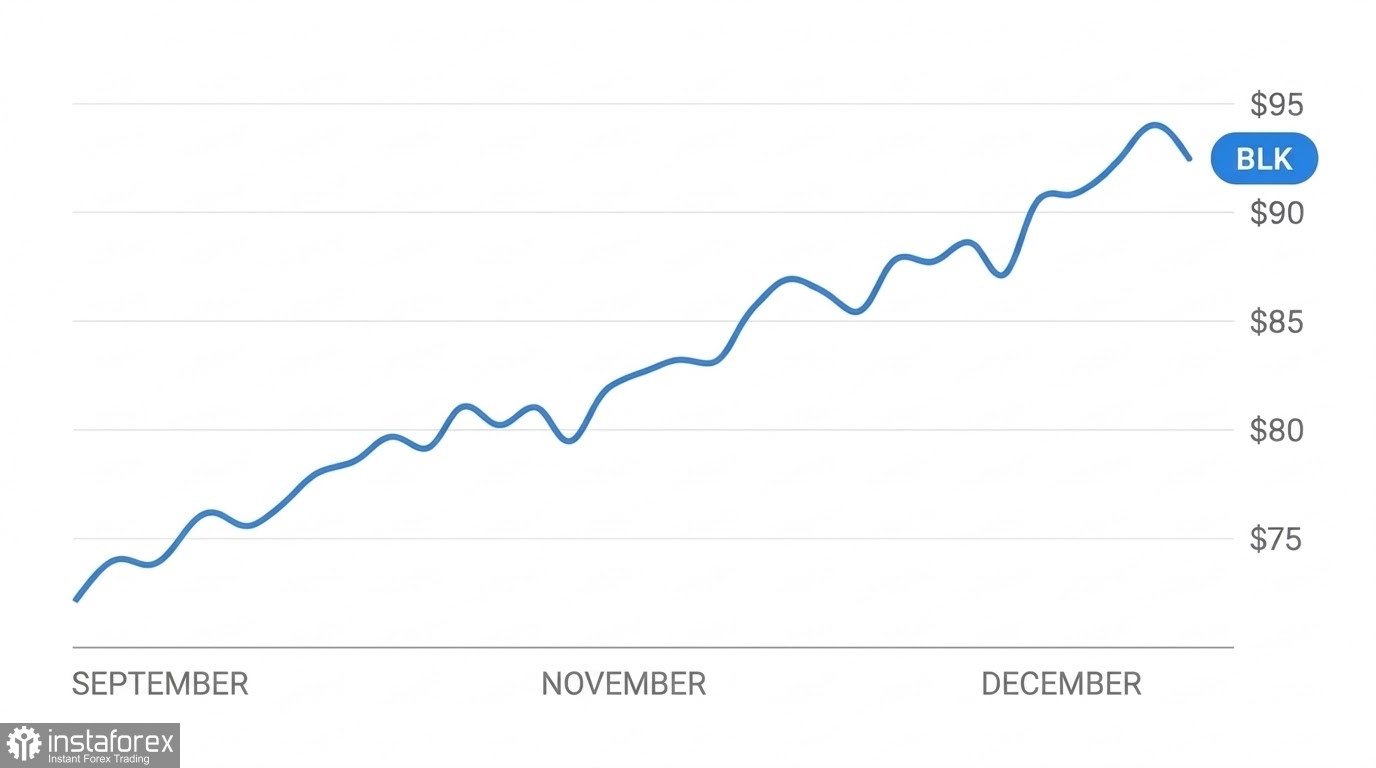
U.S. spot Bitcoin exchange-traded funds (ETFs) have experienced their largest capital outflow since trading began in January 2024. Following the November 25, 2026 trading session, investors pulled $453 million from the sector, extending a streak of continuous daily sell-offs to seven consecutive trading days. Total withdrawals for November reached $5.39 billion, surpassing the previous monthly record outflow of $4.51 billion set in June 2026.
BlackRock's flagship iShares Bitcoin Trust bore the brunt of the sell-off. On Wednesday, November 25, clients withdrew $329.7 million from the fund, accounting for 73% of the entire sector's daily losses. Since the beginning of the month, outflows from BlackRock's fund have reached $4.5 billion, or 83% of the total capital pulled from all twelve U.S. Bitcoin funds. Earlier on November 19, the fund set a new single-day outflow record, losing $541.1 million in one session and exceeding its January peak of $528.3 million.
During trading on November 25, none of the twelve ETFs managed to attract fresh capital. The Grayscale Bitcoin Mini Trust lost $60.1 million, Bitwise saw $18.2 million exit, and the ARK 21Shares fund recorded $14.9 million in outflows. Losses for the flagship Grayscale fund totaled $13.9 million, VanEck lost $9.7 million, and Fidelity's fund shrank by $6.5 million. The sole major winner of the month was the Morgan Stanley Bitcoin Trust, launched in April 2026. It attracted $114.1 million, driven by a market-low 0.14% annual management fee and distribution through the bank's network of 16,000 financial advisors. WisdomTree's fund added $300,000.
The capital flight from exchange-traded products coincided with a steep drop in the underlying asset. In November, Bitcoin fell into the $55,700 to $57,500 range before attempting to consolidate between $60,000 and $60,600. At these levels, the cryptocurrency is trading 52% below its October 2025 all-time high. For the first time since October 2023, the price dropped below its 200-week moving average, which sits at $68,000. The combined net asset value of all U.S. Bitcoin funds contracted from $104.27 billion at the end of October to $72.03 billion by November 25.
•High liquidity of BlackRock's fund for major players BlackRock's fund serves as the primary entry vehicle into the crypto market for investment banks and wealth managers. When market conditions deteriorate, large institutional participants first sell off their most liquid holdings with the tightest bid-ask spreads.
•Unwinding of hedge fund arbitrage strategies Institutional funds profited from price spreads by buying shares of BlackRock's fund on the spot market while simultaneously opening short futures positions on the Chicago Mercantile Exchange (CME). Declining futures yields rendered this strategy unprofitable, forcing managers to redeem their ETF shares.
•Tightening expectations around U.S. Federal Reserve interest rates October data for the core Personal Consumption Expenditures (PCE) price index confirmed persistent inflation in the U.S. economy. Rising prices pushed U.S. Treasury yields higher and forced investors to push back their timelines for Fed rate cuts.
•New trade tariffs and tech stock sell-offs Announcements from U.S. authorities regarding upcoming import duties triggered a drop in equity indices and the technology sector. Reduced risk appetite in traditional markets directly weighed on digital asset prices.
•Forced liquidations of leveraged positions Since the start of November, crypto exchanges have automatically liquidated $1 billion in long positions due to insufficient margin. The Fear and Greed Index plunged into extreme fear territory, while ETF share redemptions forced asset managers to sell actual coins on the open market.
Our near-term outlook for Bitcoin and spot ETFs remains cautious. Ongoing share redemptions from BlackRock's fund create a direct selling overhang on the spot market and cap attempts at a rapid price recovery. In the first half of December 2026, Bitcoin will continue trading under pressure within the $55,000 to $62,000 range. To reclaim the $68,000 level, the market requires a complete halt to daily capital outflows from the ETF sector.
Over the medium term, the industry maintains a solid foundation. Even after November's losses, cumulative net inflows into U.S. Bitcoin funds since January 2024 remain positive at $51.7 billion. Inflows into Morgan Stanley's low-cost fund confirm that institutional investors are not abandoning crypto altogether, but rather rotating capital into products with minimal fees. Market stabilization and a gradual transition to growth toward the $65,000 to $70,000 corridor will begin no earlier than the first quarter of 2027, following greater clarity on U.S. inflation statistics and trade policy.


