Brent futures have widened to their largest premium to Middle Eastern Dubai since 2022 after a sharp spike in energy prices following US and Israeli strikes on Iran, Bloomberg reports. The price gap reflects disrupted trade flows and growing concerns over supplies from the region.
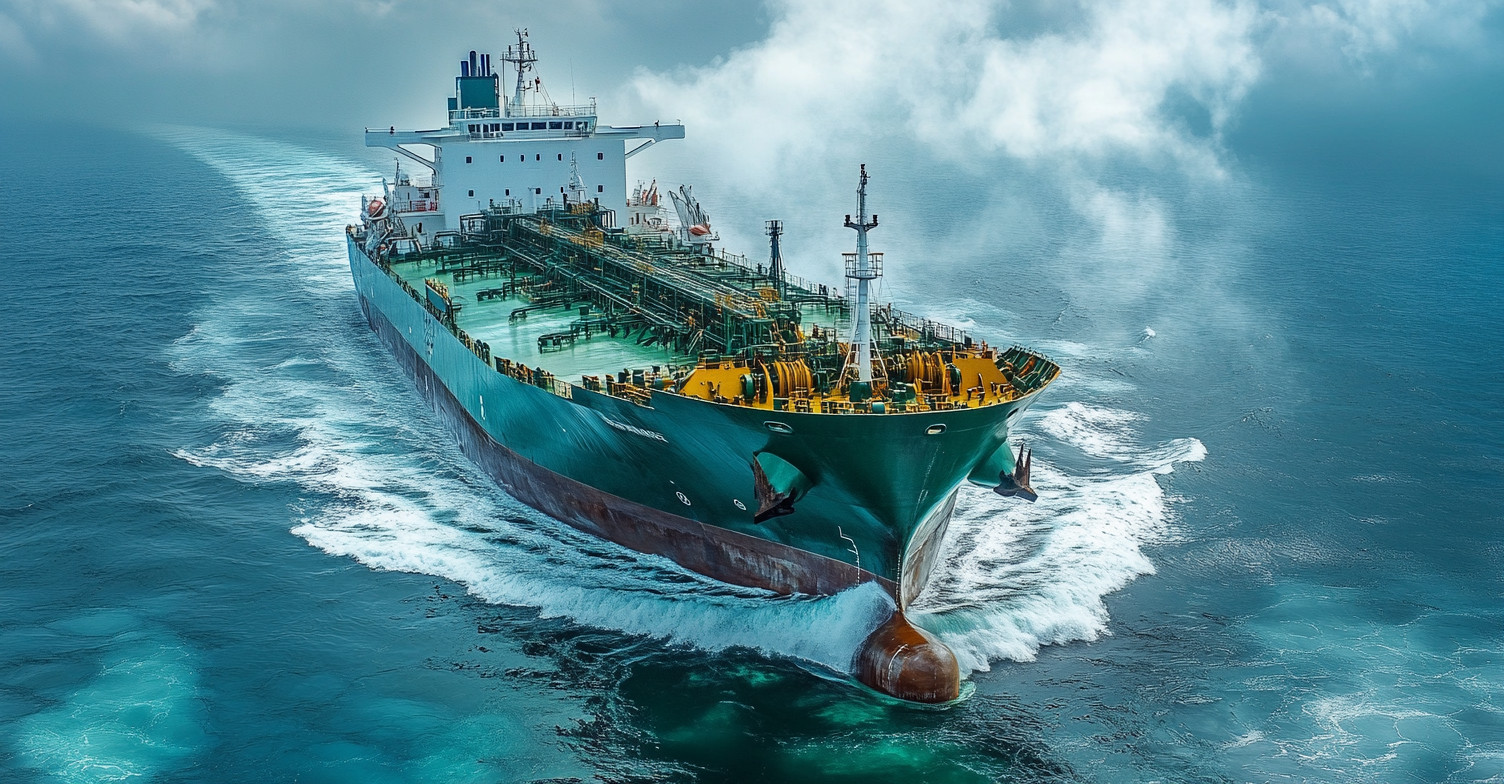
Traders say the spread (Brent–Dubai) exceeded $6 per barrel on Tuesday, after having traded below $2 for most of last week before the conflict began. Buying and logistics routes have been hampered: shipping through the Strait of Hormuz is effectively halted, and uncertainty over deliveries is boosting market volatility. Additional upward pressure on prices comes from a sharp rise in freight rates caused by a shortage of tankers in the region.
JPMorgan analysts issued a stark warning: "If the Strait of Hormuz does not reopen within 21 days, production shutdowns could begin." That prospect raises the risk of a real supply disruption and makes the market highly sensitive to any news from the region.
What this means for the market and traders
A wider Brent–Dubai spread signals a higher relative price for the North Sea benchmark versus Middle East crude, reflecting supply problems to Asia and logistical constraints.
Surging freight costs and tanker shortages make seaborne deliveries less predictable and more expensive, effectively tightening the available physical oil supply.
The threat of a prolonged blockade of the Strait of Hormuz sets the stage for further price rises and a higher risk premium for secure supplies.
How traders can play it
Trade TTF futures: short-term long positions can capture price spikes, but strict stop?losses are essential due to high volatility.
Options for risk management and speculation: buying calls or using straddles/strangles can be effective ahead of sharp moves; selling options collects premium but carries significant risk.
Calendar spreads: if the market moves into contango or backwardation, calendar spreads between near and far contracts allow trading the curve with limited risk.
Related markets: monitor oil, power, LNG freight and supplier/shipper equities for additional trade ideas and hedges.
News trading and monitoring: keep close watch on producer statements (e.g., QatarEnergy) and geopolitical developments around Hormuz to react quickly to changes in liquidity and volatility.
Risk management: diversify, set position limits, use options for protection and conduct scenario planning — all critical in highly uncertain conditions.
These approaches do not eliminate risk — volatility can work for or against traders. Combine trade ideas with strict money management rules and monitor supply and geopolitical news closely.
You have already liked this post today
*The market analysis posted here is meant to increase your awareness, but not to give instructions to make a trade.



 03.03.2026 03:16 PM