
Veja também


 23.07.2026 02:33 PM
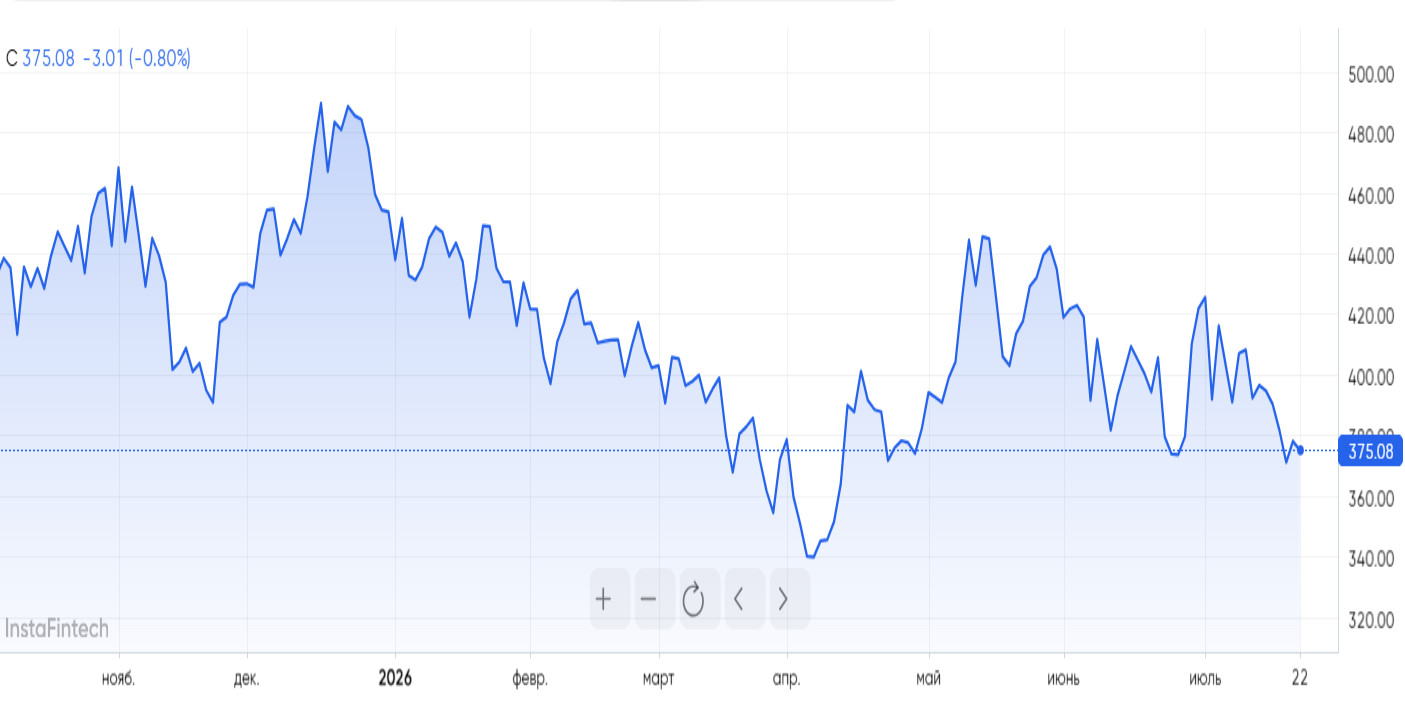
Tesla shares plunged by 5.5% in pre-market trade to $353.37 after the company released Q2 2026 financials that missed profit expectations and sparked heavy post-close selling.
The automaker-turned-AI-player reported adjusted EPS of $0.33 on revenue of $28.24bn. Revenue beat the Wall Street consensus (roughly $25.55bn) by more than 10%, but the EPS miss, about 33% below consensus, was the primary irritant for investors.
Margins deteriorated across several metrics. Automotive gross margin (ex-regulatory credits) fell to approximately 16.3% versus analyst expectations near 19.4%. Consolidated gross margin eased to 16.8% from 17.2% a year earlier.
Operating expenses rose by 47% year-on-year to $4.35bn as the company accelerated spending on AI, Robotaxi infrastructure, scaling Cybercab production, and developing humanoid robots (Optimus). As a result, operating margin compressed to 1.4% from 4.1% in the prior-year period.
Particularly worrying was a negative free cash flow of about $1.1bn, the first net cash burn in more than two years. Capex more than doubled to $5.8bn. The CFO confirmed on the conference call that full-year capex guidance remains above $25bn and is expected to grow over the next 2–3 years.
The market backdrop offered little support: the S&P 500 fell by 0.3%, the Dow slipped by 0.3%, and the Nasdaq lost 0.4%. EV peers Rivian and Lucid provided no offsetting catalysts, while Alphabet reported generally positive results on Wednesday evening, accentuating the contrast with Tesla's miss.
Investment takeaway: the combination of an earnings shortfall, margin erosion, negative free cash flow, and aggressive multi-year capex commitments is a severe test for stock trading at a premium.
With a 52-week high of $498.83 and a pre-market price near $353.37, questions about how quickly Tesla's large AI and robotics investments will translate into higher profits have become acute.
You have already liked this post today
*A análise de mercado aqui postada destina-se a aumentar o seu conhecimento, mas não dar instruções para fazer uma negociação.


