
Vea también


 01.04.2026 09:05 PM
The pair has been rising for a second consecutive day amid U.S. dollar weakness, as statements by President Trump raised hopes for a possible end to military actions with Iran within two to three weeks. However, optimism in the market following Trump's comments remains limited due to reports that the UAE insists on military measures to reopen the Strait of Hormuz. In addition, the continued buildup of U.S. military presence in the region increases the risk of conflict escalation, heightening inflation expectations and the likelihood of a Fed rate hike, which supports the U.S. dollar and puts pressure on NZD/USD.
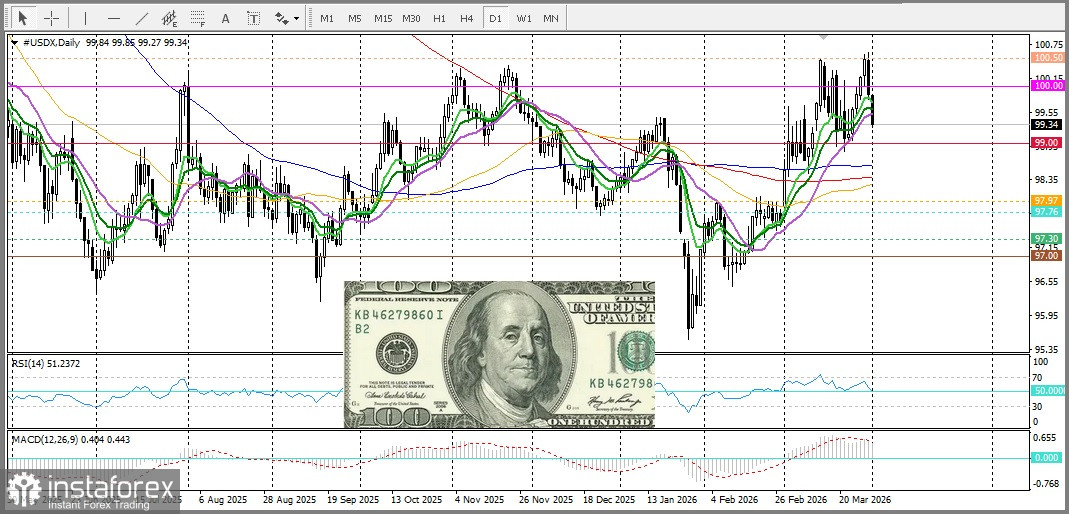
These fundamental factors point to a short-term negative scenario for NZD/USD, although traders are likely to wait for further geopolitical developments before taking aggressive positions.
On the U.S. side, the ISM Manufacturing PMI for March exceeded expectations, rising to 52.7 from 52.5, while the prices-paid subindex surged to 78.3—a nearly four-year high—highlighting growing inflationary pressure. Retail sales in February increased by 0.6% month-over-month, the highest in seven months, and ADP data recorded an increase of 62K private-sector jobs, beating consensus and confirming the strength of the U.S. economy.
Speeches by Fed officials Thomas Barkin and Alberto Musalem provided no significant boost to the dollar, although they noted the temporary nature of the energy shock, warning of risks of shifting inflation expectations and the need for vigilance amid geopolitical uncertainty.
From a technical perspective, the pair has only reached the 9-day EMA, while bulls need the 20-day SMA to gain confidence for further upside. Oscillators remain negative, confirming the predominance of bears in the market.
You have already liked this post today
*El análisis de mercado publicado aquí tiene la finalidad de incrementar su conocimiento, más no darle instrucciones para realizar una operación.


