Vea también


 27.04.2026 08:09 AM
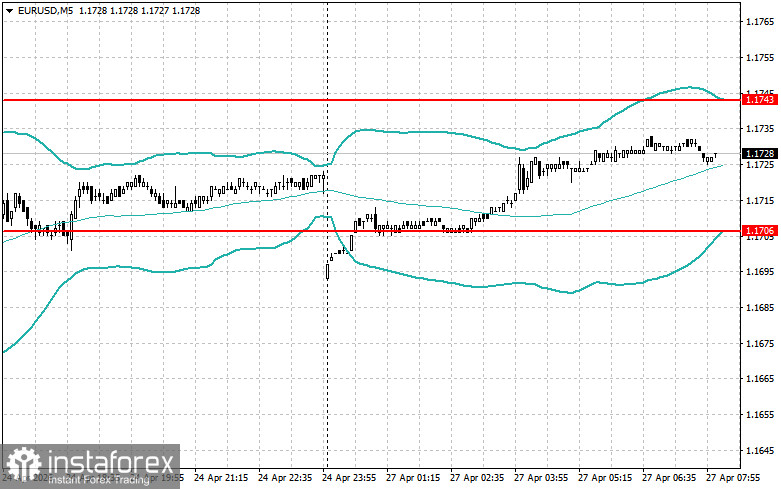
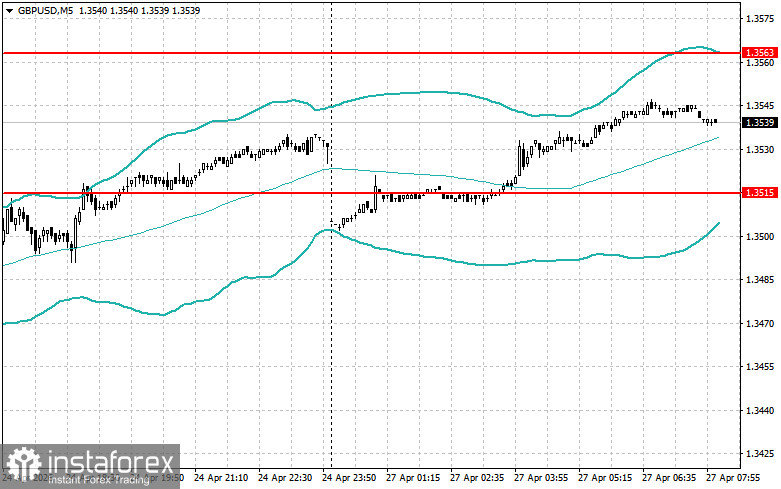
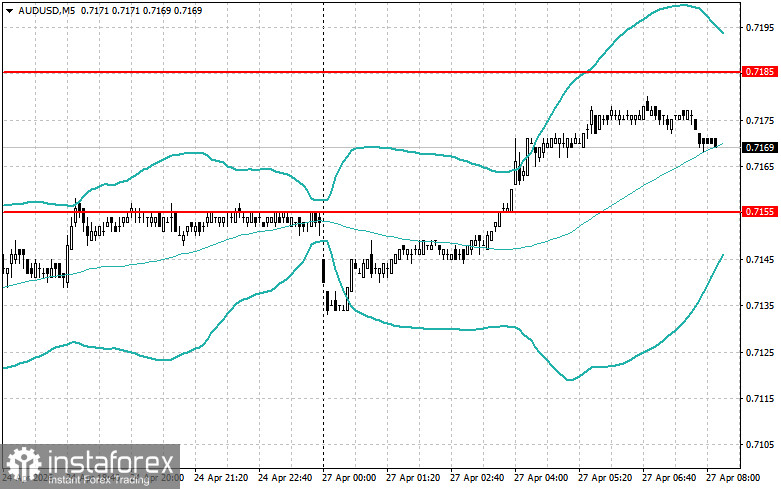
The euro, the pound, and other risk assets, although they declined at the start of today's Asian session, quickly recovered those losses.
Data showing a reduction in inflation expectations from the University of Michigan exerted pressure on the dollar last Friday, driving a rise in risk assets. This development became a key factor determining the dynamics of currency markets at the end of the trading week. The decline in inflation expectations reported by the University of Michigan is traditionally seen as a signal of decreasing inflationary pressure in the U.S. economy. Such a scenario could prompt the Federal Reserve to adopt a more easing monetary policy.
News from the Middle East continues to instill optimism among traders. Reports that Tehran allegedly provided the US with a new peace plan led to increased demand for all risk assets. The euro and the British pound, in particular, have shown positive dynamics amid a weakening dollar.
The first half of today on the financial markets will be marked by the release of important German macroeconomic data. Analysts and traders are particularly focused on the GfK Consumer Climate Index. This indicator is widely recognized as one of the key measures reflecting consumer sentiment and their willingness to spend, which, in turn, has a significant impact on economic activity in the largest eurozone economy. Expectations for the release of this data today are quite low, so if the figures are disappointing, pressure on the euro could quickly return.
As for the pound, the first half of the day will see the release of retail sales data from the Confederation of British Industry (CBI). The CBI Retail Sales Index is a leading indicator that reflects retailers' expectations regarding sales volumes in the near future. Based on surveys from retail representatives, it provides insights into the sentiment of both consumers and businesses. The results of this report may influence the British pound's exchange rate, but only if the data significantly diverges from expectations. Weak figures signaling a slowdown in retail sales could raise concerns about the British economy's outlook, further pressuring the pound.
If the data aligns with economists' expectations, it would be best to act in line with the Mean Reversion strategy. If the data comes in significantly higher or lower than economists' expectations, the Momentum strategy might be the best approach.