
Vea también


 04.06.2026 03:45 PM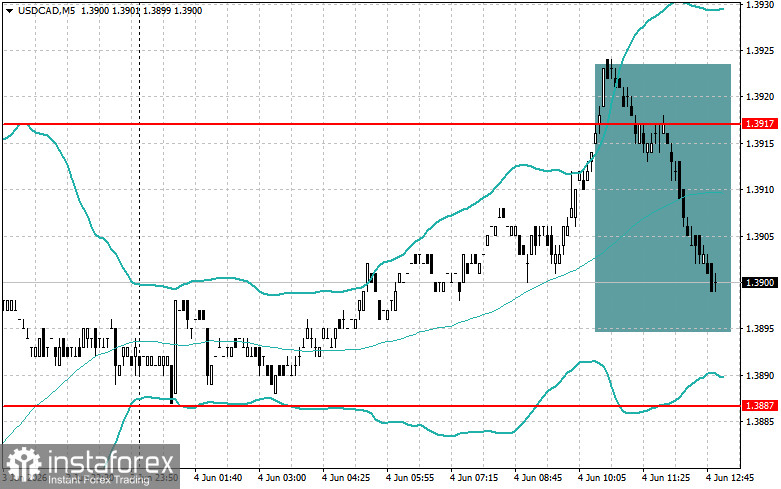
The unexpected 0.4% decline in retail sales in April came as an unpleasant surprise to many market participants. The indicator, which was expected to reflect stability or even moderate growth in the eurozone economy, instead showed negative dynamics, raising doubts about the resilience of consumer demand in the region. Although relatively modest, such a decline often signals deeper underlying issues, such as reduced purchasing power due to inflation, increased uncertainty, or a shift in consumer spending toward other categories.
Despite the disappointing data, the foreign exchange market remained remarkably calm. Rather than reacting negatively, the euro largely ignored the weak figures.
In the second half of the day, investors will focus on the release of key U.S. macroeconomic data. Most notably, new figures on initial jobless claims will be published. This indicator is one of the key gauges of the health of the U.S. labor market and could influence market sentiment as well as expectations regarding the Federal Reserve's future monetary policy.
In addition to the labor market data, FOMC member Mary Daly is scheduled to speak later in the day. As a rule, statements by Federal Reserve officials are closely scrutinized for signals regarding the regulator's future actions, whether in the form of interest rate adjustments or other monetary policy easing or tightening measures. Given the current economic environment and elevated inflation, any shift toward a more hawkish tone could strengthen the U.S. dollar.
If the data comes in strong, I will rely on the Momentum strategy. If the market shows little reaction to the data, I will continue using the Mean Reversion strategy.
Momentum Strategy (Breakout Trading) for the Second Half of the Day:
For EUR/USD
For GBP/USD
For USD/JPY
Mean Reversion Strategy (Return-to-Level Trading) for the Second Half of the Day:
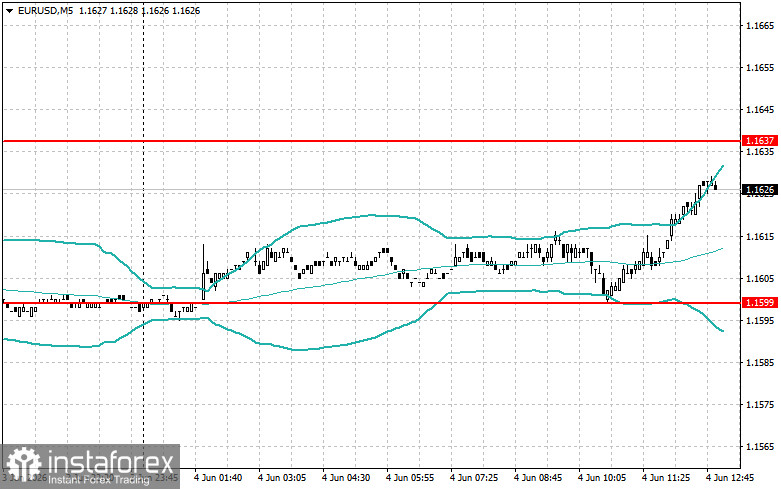
For EUR/USD
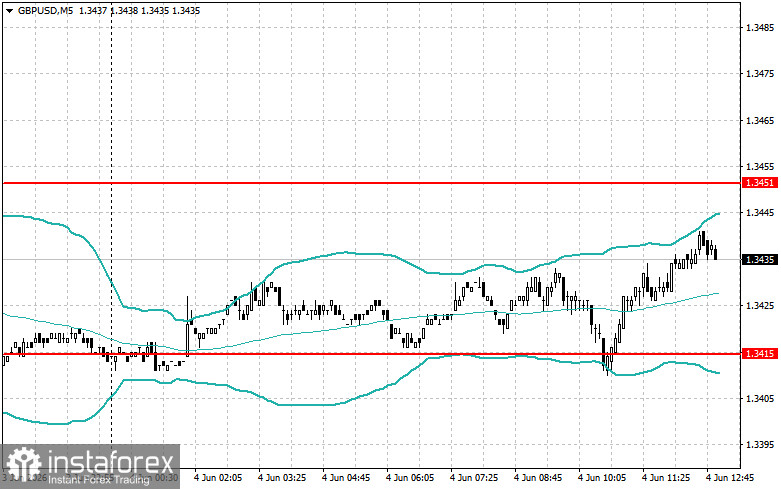
For GBP/USD
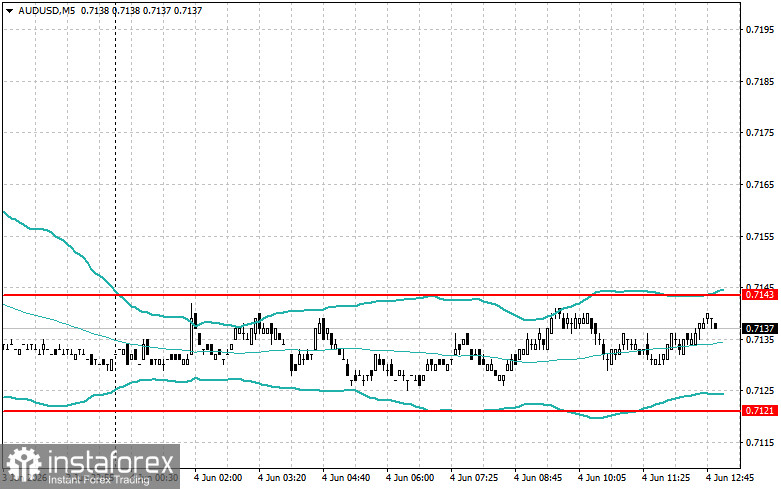
For AUD/USD
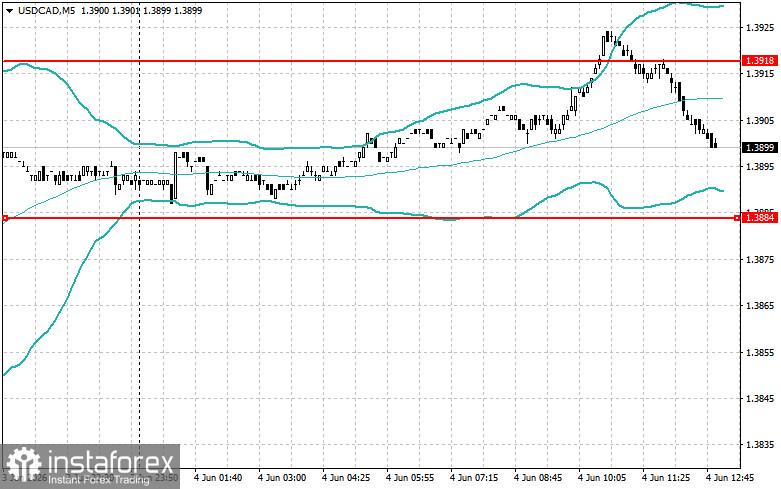
For USD/CAD


