
Vea también


 26.11.2026 09:27 AM
What does the dollar need to look confidently into winter? Inflation has exceeded the Fed's target for more than five years, and Kevin Warsh, who took the helm in May, is not prepared to tolerate even modest overshoots. The chief competitor is hampered by weak growth and political turmoil.
Market expectations regarding fed-funds rate
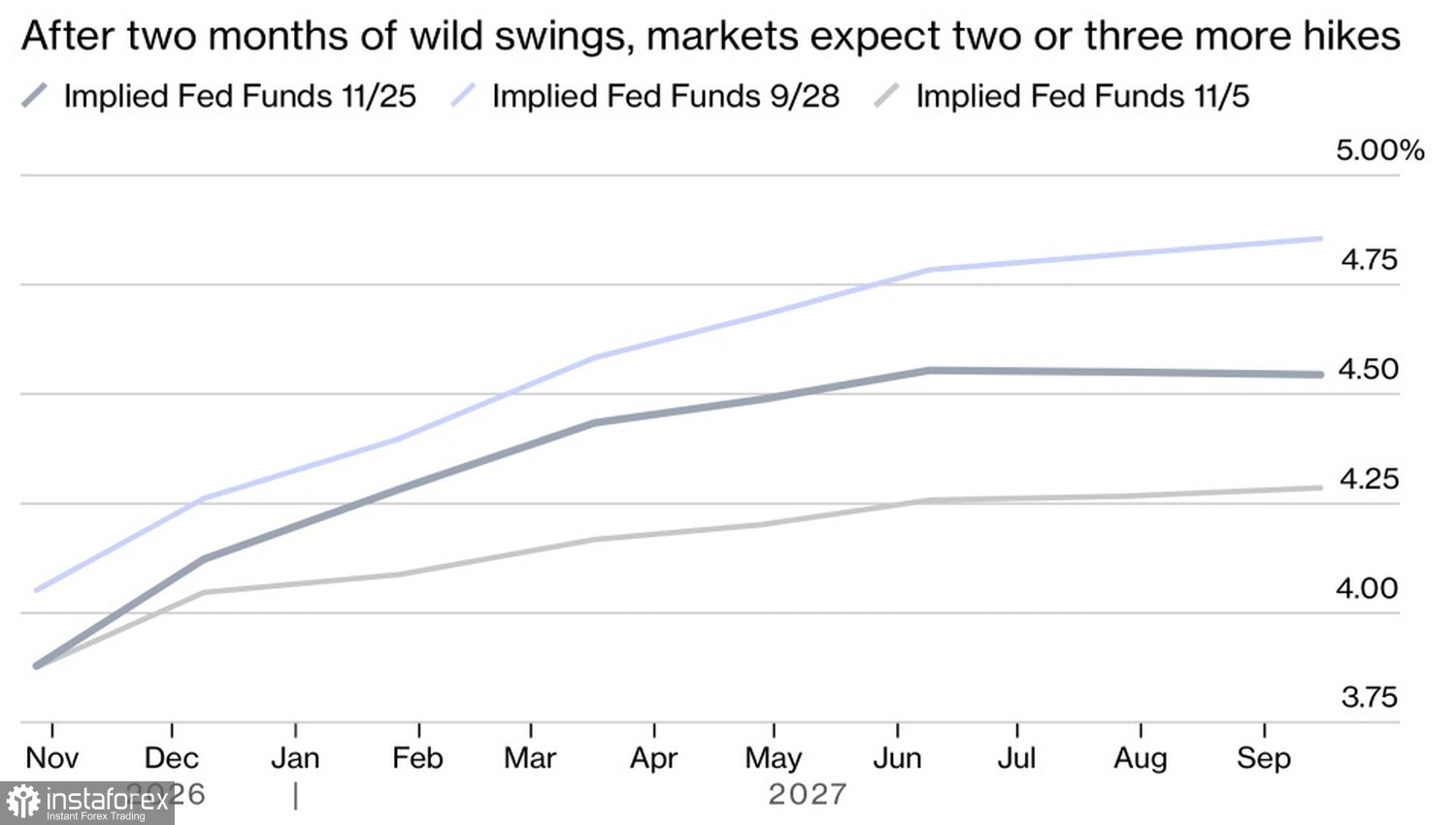
A positive for the greenback is inflation, which removes the Fed's option to pause. Futures assign near-certainty to a December fed-funds rate increase and price in roughly two more quarter-point rate hikes next year. Immediately after the midterms, the market had expected only one move; expectations have since risen, leaving EUR/USD little room for recovery.
Stock sell-offs could weigh on the greenback. In late 2018, Warsh argued against further tightening amid a market plunge. The Fed raised rates anyway. December produced the worst monthly return for equities since 1931, and only afterward did officials signal a willingness to pause. The picture today looks similar: stocks fell, while the dollar strengthened. But then inflation was barely at the 2% target, making a pause far easier to justify.
Tariff risk, Section 301 measures, remains a factor of uncertainty for inflation. ING argues these measures rest on a stronger legal basis and would survive a later Congress with Democratic control, since a two-thirds majority is required to overturn them. Yale's Tobin Project estimates the US average effective tariff would rise from about 11.4% to 13.9%, adding roughly 0.3 percentage point to consumer prices. For the EU, Japan, and South Korea, the initial combined tariff rates are not expected to exceed 15%.
German economic growth dynamics
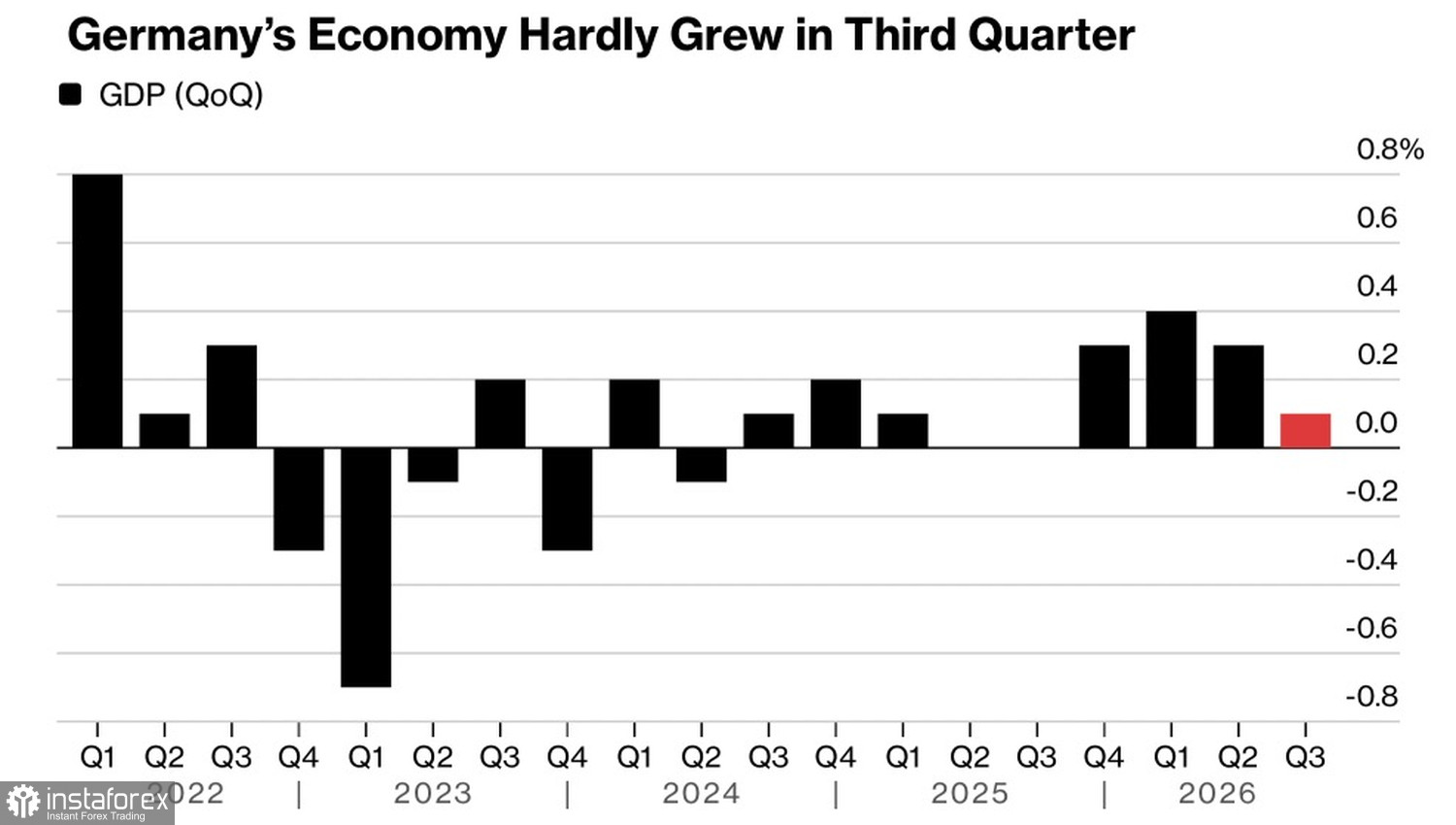
A headwind for the euro is Germany's weak economy. Q3 GDP rose just 0.1% q/q vs. a 0.2% expectation. Government spending rose 0.3%, private consumption added 0.1%, while gross fixed capital formation fell 1.2%. BCA Research argues that soft euro-area growth and French political uncertainty lift risk premia on European assets and constrain how far the ECB can raise the deposit rate. The firm expects a weaker euro in 2027 and sees EUR/USD's structural floor near 1.05.
Seasonality could offer EUR/USD some near-term relief if the dollar typically weakens into year-end. BCA allows for a short-lived euro bounce from oversold territory before renewed weakness.
In sum, inflation and European weakness support the dollar, while an equity rout remains the one risk that in the past forced the Fed to change course.
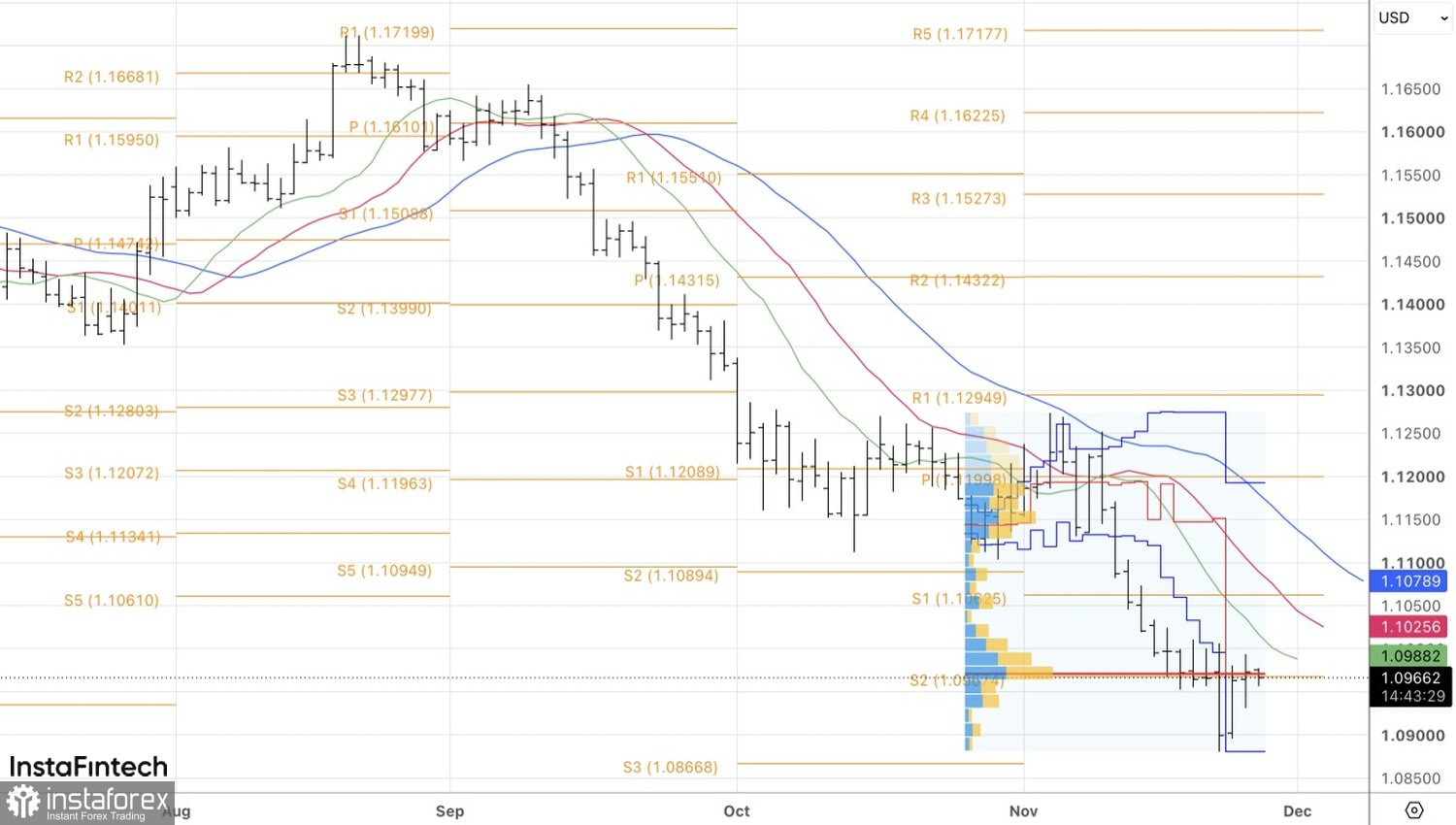
Technically, the daily EUR/USD chart shows a fight around fair value near 1.097 and a doji formation. A breakout above the doji high at 1.10 would justify buying. Conversely, a break below that level would be a signal to build or add short positions.


