
Veja também


 28.09.2026 03:00 PM
The dollar spent much of the year under pressure, despite being the classic safe-haven currency investors flock to in moments of panic. The armed conflict between the United States and Iran, trade tensions under Donald Trump, and his threats to the Fed's independence seemed likely to erode confidence in the greenback. Instead, the US dollar index has posted its longest winning streak since May and is holding near July highs.
Support for the dollar comes from the Fed's policy move. Investors now expect a series of further tightening actions over the next year, and higher rates make the US currency more attractive. Morgan Stanley has publicly acknowledged that it underestimated the dollar and now expects it to appreciate into 2027.
Political risk in Europe
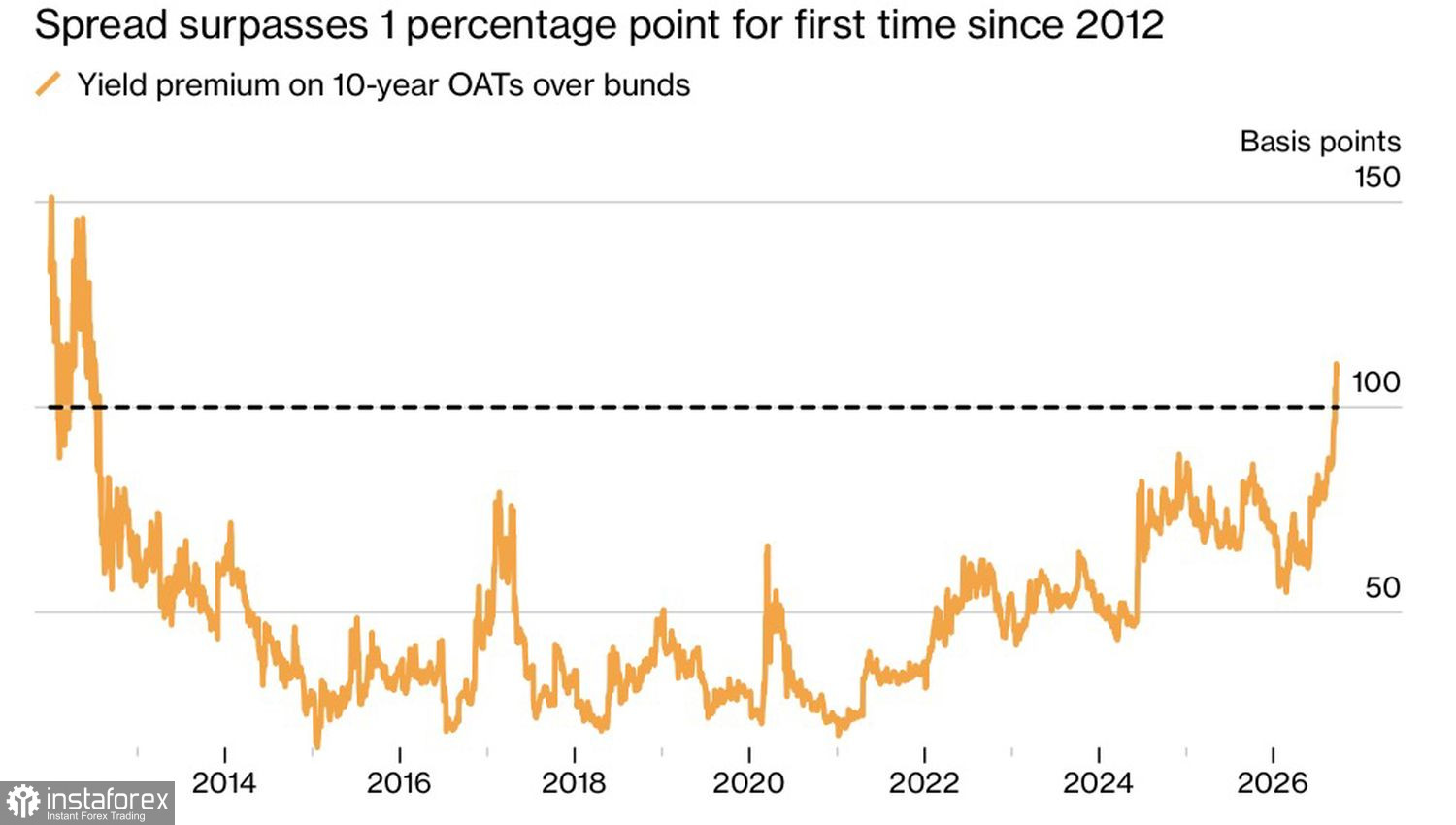
AI spending is also helping the greenback. Amundi notes the US remains the leader in capex, and the interest rate differential adds to the dollar's appeal. Political risk in the eurozone is another positive for the dollar: France faces presidential elections in spring 2027, and uncertainty around votes in Germany and Italy is also on investors' minds.
Rising geopolitical tensions in the Middle East are lending further support to the US currency. Washington and Tehran have not reached a settlement on a ceasefire or shipping through the Strait of Hormuz. As HSBC puts it, when the world gets uneasy, investors return to the dollar "like the prodigal son," pushing talk of its decline to the background.
Dollar positioning dynamics
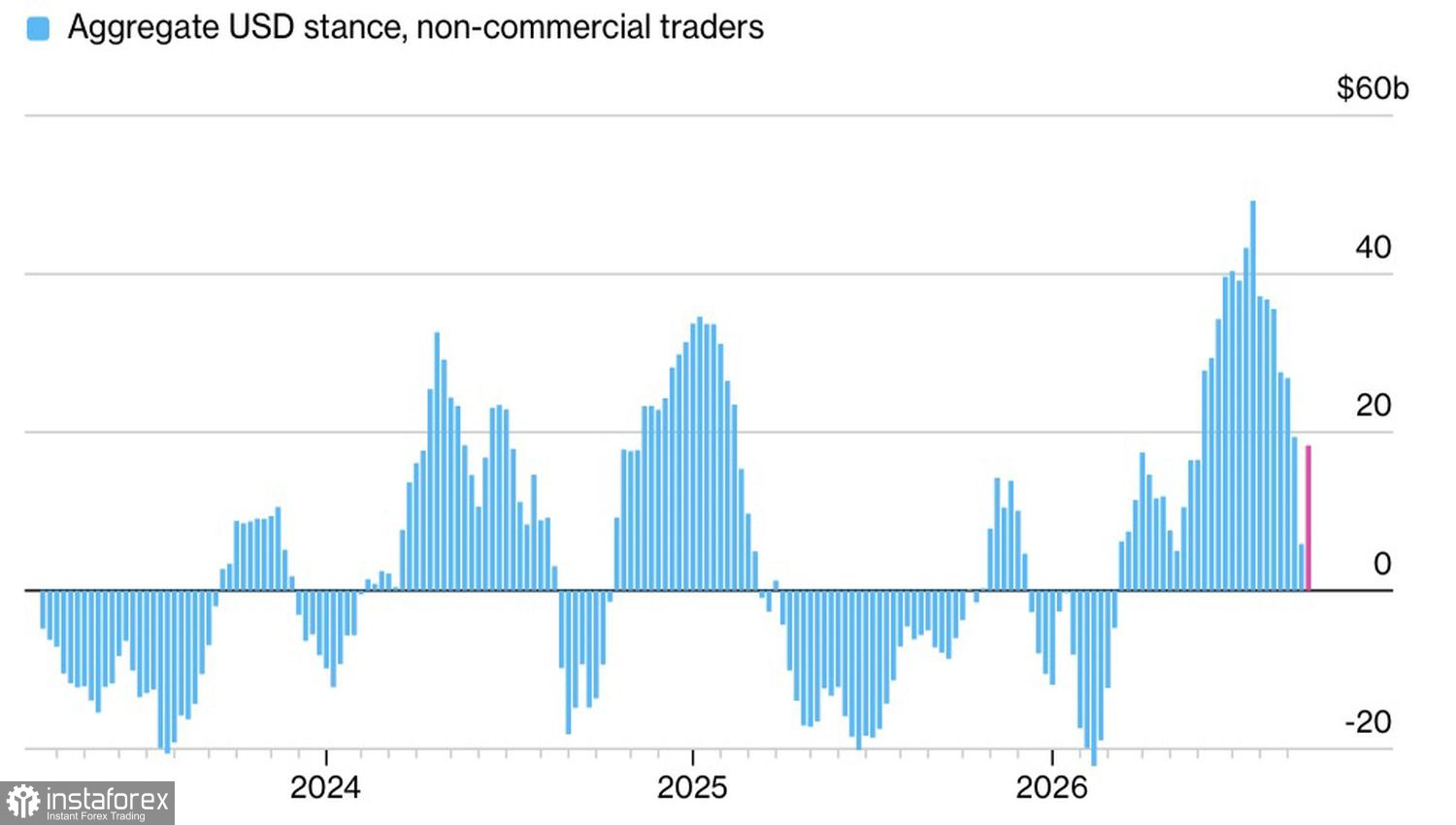
Speculators who were caught off guard by the rate hike are flipping into dollar longs like a weathervane turning with the wind. CFTC data shows that asset managers more than tripled their net long dollar positions through Sept. 22, after seven weeks of reductions.
A massive US budget deficit remains a structural headwind for the dollar, so HSBC expects only a moderate appreciation rather than a sharp surge. Manulife notes the market has already priced in roughly 90 basis points of policy tightening over the next 12 months, and it will be difficult for the Fed to exceed those expectations.
Citigroup stays bullish on the dollar versus the euro. The bank warns that ECB deposit rates could reach levels where further hikes would harm the economy and force a policy pivot. The euro is down roughly 3% against the greenback year-to-date, and Citigroup still sees about 1% more upside for the USD index.
The dollar is being supported by Fed tightening, an AI-driven capex boom, and Middle East geopolitical risk. Offsetting forces include the US fiscal deficit and the premium the market has already paid for expected future tightening.
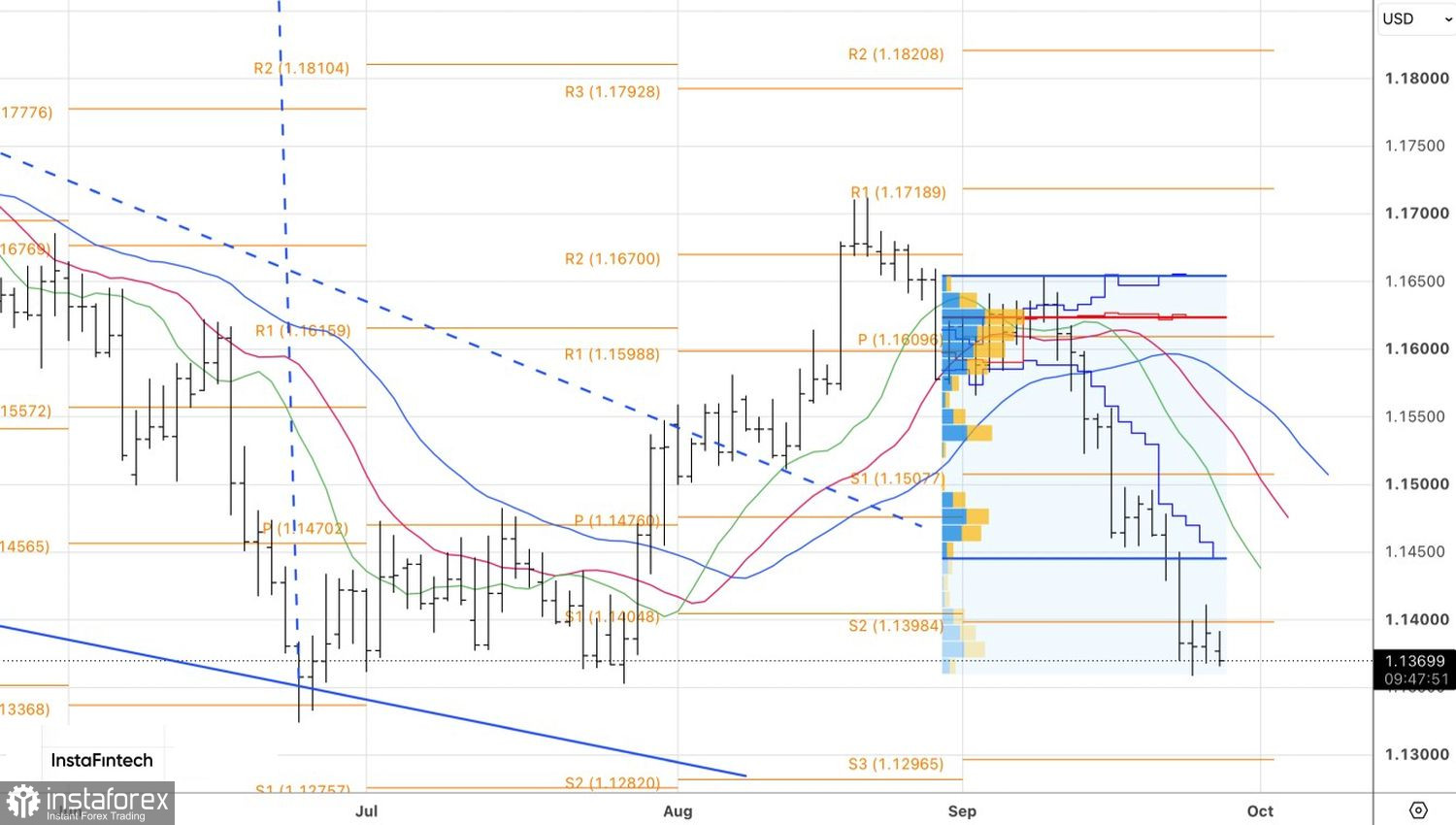
Technically, the daily chart shows that EUR/USD is consolidating. A breakout from this range would allow traders to add long positions with targets near 1.13 and 1.12.


