Vea también


 18.08.2026 08:33 AM
The euro and the pound, along with other risky assets, lacked the strength to maintain their leading positions against the dollar.
Strong U.S. data supported the dollar in the afternoon, primarily driven by the Empire State manufacturing index. The New York manufacturing sector accelerated to its highest level in over four years in August, with the overall index rising by 5 points to 20.6. This indicator reflects business activity in the region's manufacturing sector and serves as an early benchmark for the economy. Thus, such a confident rise confirmed its strength and added weight to the dollar. The picture for the housing market, however, was much more subdued. The NAHB builder sentiment index added only one point to 35 and remained deep in pessimistic territory, indicating ongoing problems in the real estate sector. Nevertheless, the market focused on strong industrial data, which placed pressure on both the euro and pound. Both European currencies lost ground, and EUR/USD and GBP/USD retreated under pressure from a stronger dollar.
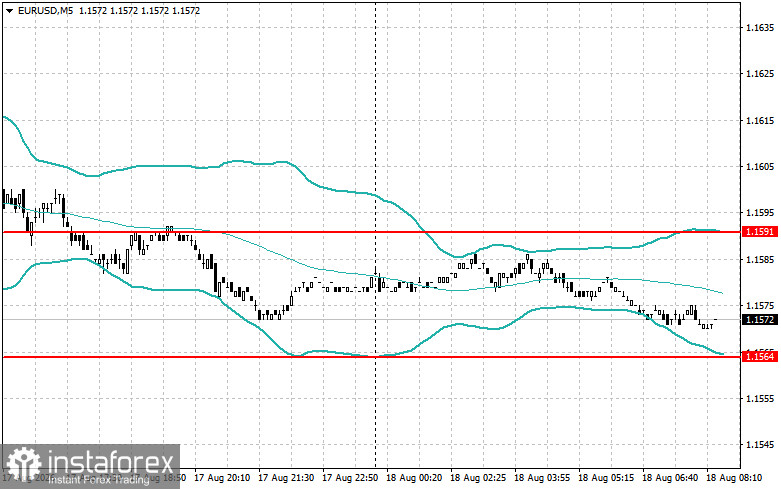
Today, attention will be on the ZEW economic sentiment indices for Germany and the Eurozone, as well as the current situation index. The ZEW index is based on surveys of financial analysts and investors and reflects their expectations for the economy in the coming months. In contrast, the current situation index assesses the current state of affairs. The gap between these components is particularly telling, as expectations better predict future dynamics, and the market traditionally compares recent values with past ones to understand whether sentiment is improving or deteriorating. For the euro, this data is directly relevant. If expectations improve compared to the previous month, it will bolster confidence in the economy's resilience and support the euro; conversely, a deterioration relative to past values will add pressure. The EUR/USD pair will respond primarily to how the actual figures compare with previous ones and the forecast; without a significant deviation, the initiative will remain with the dollar.
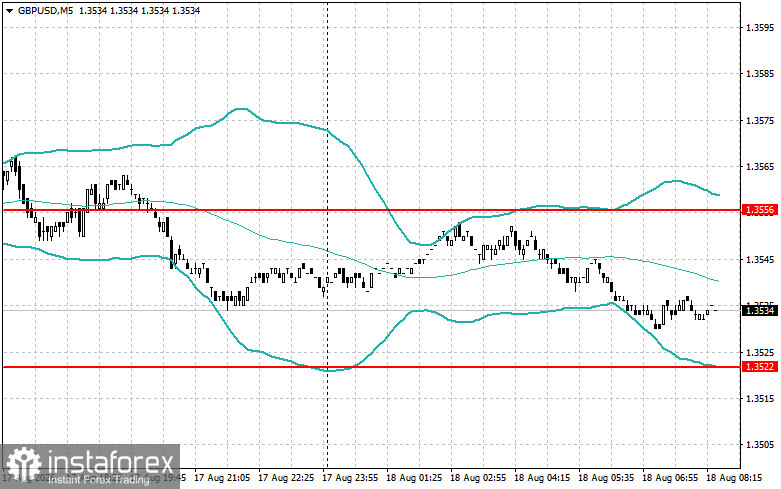
As for the pound, traders are awaiting important UK labor market data today, specifically the unemployment rate and changes in the number of unemployment claims. The unemployment rate reflects the share of the workforce that is unemployed and characterizes the overall state of the labor market. At the same time, changes in claims provide a more timely indicator, as they quickly capture emerging trends in layoffs and hiring. Both metrics directly influence expectations for the Bank of England's interest rate, as a strong labor market gives the central bank room for tighter policy, while its weakening nudges toward caution. Therefore, the pound's response will largely depend on how the data aligns with forecasts. If the figures disappoint and are worse than economists' expectations, pressure on the GBP/USD pair will only increase, as weakness in employment undermines arguments for economic resilience. Strong figures, by contrast, will support the British currency.
If the data aligns with economists' expectations, it is better to act based on the Mean Reversion strategy. If the data is significantly above or below economists' expectations, it is best to use the Momentum strategy.