
Vea también


 30.10.2026 12:10 PM
The yen strengthened after the Bank of Japan's decision, although the policy rate remained unchanged. Immediately after the announcement, the exchange rate reached 157.12 yen per dollar before part of the move was given back.
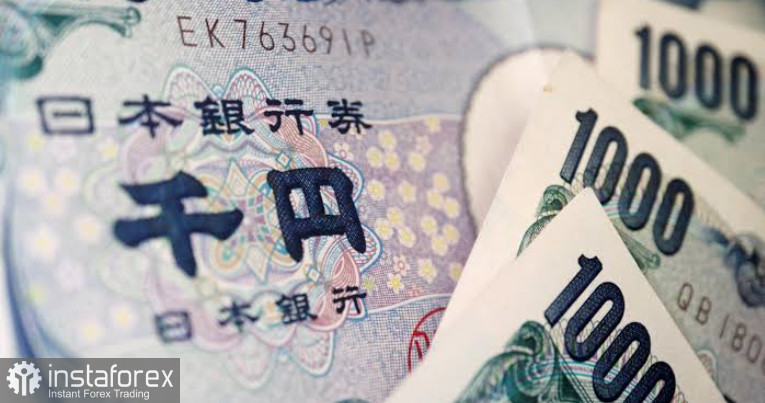
A rate at 1.25% was expected by all, but the wording of the statement became the main story. For the first time the Bank of Japan said core inflation has reached the 2% target—the end point of a path that began in 2013 with massive stimulus pledged to achieve the goal within two years. The target proved elusive, and sustained price rises returned only after nearly a decade. Core inflation is not measured by a single metric; it is a combination of consumer prices and inflation expectations adjusted for subsidies and other short-term factors. Expectations after decades of deflation rose slowly, and therefore Kazuo Ueda recognized the target as achieved only now.
The vote was tougher than in September. The decision passed by 8-1, whereas in September the move was 7-2, with doves Asada and Sato dissenting. This time the well-known hawk Hajime Takata voted against and demanded an immediate hike. That means the balance on the board has shifted toward tightening. More than 80% of economists now expect a new increase in December, and the baseline scenario is for the cycle to finish at 2% after three 25-bp steps in December, March, and July next year. Yesterday's data supported that view: the BoJ's core CPI for September was 2.4% y/y versus a 1.9% forecast and 1.8% in August.
The Bank also revised forecasts. The key inflation gauge for the next fiscal year beginning in April is now seen at 2.6% versus 2.4% three months ago, with the main reason cited as higher oil prices driven by the prolonged Middle East conflict. For the regulator this means a change of mission: the task is no longer to push prices up but to ensure they do not exceed the target.
The political backdrop is calmer this time. US Treasury Secretary Scott Bessent, who before the September meeting repeatedly emphasized the need for further hikes, has been largely silent about Japanese policy. Ueda said he has not spoken with him since the G20 finance meeting on September 1. Prime Minister Takaichi's government said the country no longer needs reflationary policy, and about two-thirds of observers judge it has softened resistance to hikes. Finance Minister Satsuki Katayama said after the decision she expects close coordination between the bank and government. "I expect the Bank of Japan to continue close communication with the government and conduct monetary policy appropriately, taking economic conditions, prices, and financial conditions into account, to achieve 2% inflation sustainably and stably," she said.
A consecutive hike at this meeting would have been unprecedented in this century and could have unnerved markets, and the rate is already at a 31-year high even if it remains low compared with other G7 countries.
I think the yen gained a solid foundation for gradual appreciation because the regulator recognized the target, and the board is noticeably hawkish. If Ueda confirms willingness to move further and does not dampen December expectations, USD/JPY can slowly drift lower. But I do not expect a sharp move, because the policy rate remains low and a strong dollar and dear oil are restraining factors.


